Tag: days out

Discovering Morpeth

Northumberland is home to a number of market towns, each one boasting it’s own unique charm, character and many steeped in Northumbrian history. The town of Morpeth sits on the river Wansbeck and is only a half hour’s drive from St Oswald’s Farm. Morpeth is a bustling market town where history and traditional market town charm and independent retail meets with modern shopping centres and trendy wine bars. The cobbled streets, the markets, the walks and the park area together with a unique heritage all give the town an irresistible beauty.

A visit to any market town must include a spot of retail therapy and Morpeth doesn’t disappoint. You will find the Farmers’ Market in town on the first Saturday every month and the weekly charter market in the Market Place each Wednesday. As well the markets the town is packed with retail offerings, the Sanderson Arcade and the charming precinct together with Rutherford’s department store are perfect for browsing and picking up lovely gifts. There is a superb mix of independent shops together with some of your high street favourites.

If you’re seeking a green space Carlisle Park is centrally located in the town and is open every day so it’s always a great time to visit. It includes the William Turner Garden, tennis courts, bowling green, aviary and is home to one of only four working Floral Clocks in the country.

Take a walk up to the castle or there is mature deciduous woodland with lovely, but also very hilly woodland walks, there are even rowing boats if you fancy taking to the water and testing your rowing skills. Or of course Carlisle Park is the perfect spot for a picnic and to sit and watch the world go by!

If you visit in Spring Morpeth’s Bluebell Woods are beautiful when the woodland floor becomes carpeted with bluebells. Properly known as Howburun Woods are names for the How Burn which flows through them into the River Wansbeck. As well as the bluebells, expect to see an array of woodland plants, red squirrels, birds – and the occasional deer.

alt="bluebell carpeted woodland in Morpeth"
Bluebell Woods

As with all Northumbrian Market Towns there is a unique offering of history to enjoy and Morpeth is no different. Northumberland is the only county in England with its own dedicated musical instrument and Morpeth is home to a museum that celebrates and plays homage to our Northumbrian Pipes – a unique part of the heritage of Northumberland. Tucked away in a stunning 13th Century Grade 1 listed building is The Morpeth Chantry Bagpipe Museum which boasts a treasure trove of instruments and along with the fascinating displays, the museum often comes to life with regular live musical performances and ‘meet the piper’ sessions. The Chantry is also home to the Northern Poetry Library and Craft Centre and even the building itself has a story to tell, with townspeople once over having to pay a toll to the local priest to cross the river! You can still see the foundations of the town’s Medieval bridge in the river today.

alt="northumbrian pipes in museum in Morpeth"
The Chantry Museum – Home of the Northumberland Pipes

The town has plenty of free parking and with a great choice of places to eat or grab a coffee it’s the perfect destination for a day out. For more information on visiting this lovely Market Town please go to the More in Morpeth website.

If you enjoy the buzz of a market town just take your pick, as whichever one you choose you’ll be sure of a warm Northumbrian welcome.

Discovering our Museums – Beamish

St Oswald’s Farm is so well placed for days out in Northumberland and there is so much to see and to do and experience across the County and the whole of the North East. So whether you stay for a weekend, a week or two weeks you won’t be short of places to visit and enjoy. If you like to soak up the history and enjoy discovering museums during your time away then Northumberland most definitely won’t disappoint! Our museums are all so very different and many bring to life the lives of the people who once lived and worked here, and none more so than Beamish, an astonishing living and working museum set in over 300 acres of beautiful countryside in nearby Durham.

alt="Beamish pit village and countryside"
The Pit Village – Beamish

Beamish – The Living Museum of the North is a world famous open air museum which tells the story of life in North East England during the 1820s, 1900s, 1940s and 1950s. “A living, working museum that uses its collections to connect with people from all walks of life and tells the story of everyday life in the North East of England”. And my goodness is certainly does, and in the best and most imaginative way ever!

You will step back in time when you visit Beamish, it is nostalgic, authentic, factual, enchanting, everything about it is interactive and engaging, you can’t help but be in awe of it’s scale and fond of it’s charm.

Hop on the tram and discover how families lived and worked in the years leading up to World War 1 in the 1900’s town, it’s everything a town should be. A bank, the printers, a well stocked Co-op, the Masonic Hall, a chemist and the town stables. See vintage cars, motorcycles and bikes in the replica early 1900’s garage, call in at Herron’s Bakery and watch bread and cakes being made using traditional recipes or pop into Jubilee confectioners and see ‘ye olde fashioned sweets’ being made and of course there’s plenty to tempt you if you would like to take some treats to take home. Buy a pint in The Sun Inn, try your hand at games at the fairground or enjoy a picnic by the bandstand in the Town park and if you time it right, the brass band will be playing too.

alt="horse and cart at Beamish"
Horse and cart at Beamish

Mining was a huge part of North East life and the 1900’s Colliery and Pit Village depict the life of the men and boys and ponies who worked the mines and how families lived in a pit village. Admire the well tended vegetable gardens, grab a takeout at the local fish and chip shop, visit the chapel or go to school, you can even test your skill with the ‘booler’ in the school yard. You might need a Geordie dictionary to know what a booler is!

Jump back on board the bus or tram and head to the 1940’s farm where you can walk through the homes of those living an everyday domestic life during wartime. See how evacuees adjusted to living a rural life and what life was like for the land girls. The farmhouse, the cottage, the old farm implements and buildings, be sure to take note of the pig troughs at the farm, they once resided here at St Oswald’s Farm, and in fact they were where our house is now, before being given to Beamish around 50 years ago.

alt="old tractor at Beamish"
Life on the 1940’s farm

A visit to Beamish is a full day out with so much to explore and see and set over such a large area, be sure to wear comfortable shoes, as there’s lots to walk around and you wouldn’t want to miss a single bit! It’s around an hour’s drive from St Oswald’s and we would recommend planning a whole day there to be sure you are able to enjoy it fully. There’s plenty of loos and places to grab a bite to eat and plenty places to sit and enjoy a picnic if you would prefer. For all the details of visiting Beamish please check their website for up to date information and current guidance.

Whatever your interest you’ll be sure to find plenty to see and do in the North East and of course if you need any help or guidance on where to visit you just need to ask and we’ll be happy to help. We look forward to welcoming you here very soon!

Visit Hexham

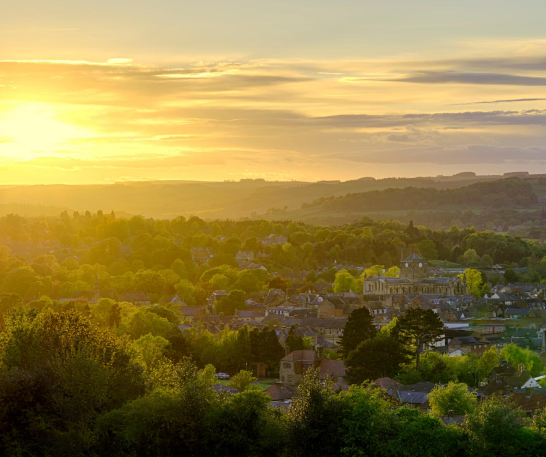
The town of Hexham is only a short 10 minute drive from St Oswald’s Farm and lies in the heart of the stunning Tyne Valley. This picturesque town is the perfect destination for a day out in beautiful surroundings whilst taking in the rich history which you will find around every corner of this ancient market town.

alt="Hexham aerial view"
Handsome Hexham

Hexham is as handsome a market town as you will find anywhere, and the imposing priory is a central part of what makes it memorable”  

Bill Bryson, Best Selling Travel writer.

Hexham Abbey undoubtedly takes centre stage in this town and dominates the historic Market Place. This flourishing place of worship was founded by the Northumbrian saint and bishop Wilfrid in 674. Hexham Abbey is home to a wealth of artifacts from the Anglo-Saxon crypt to the tombstone of a Roman soldier, from exquisite sculpture and stained glass windows to the frith seat and from a medieval painted screen to the night stair, a set of time-worn steps. With so many stories, discoveries and with an interactive museum to explore you might find you need to take some time out to reflect and relax with a piece of cake in the lovely Refectory Cafe. To visit Hexham Abbey or attend a service please do check their website for times.

alt="Hexham Abbey and bowling green"
Hexham Abbey & Bowling Green

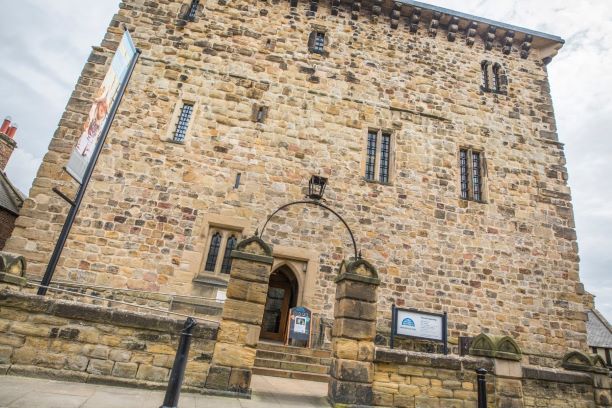
Hexham certainly isn’t short of impressive buildings and Hexham Old Gaol is no exception, this large square stone structure was built in 1333 as England’s first purpose-built prison. The building’s history and the story of its infamous inhabitants including the Border Reivers is told in full and gruesome detail across the four floors of the museum you see today. All floors are fully accessible with a glass elevator to transport you effortlessly back through time.

alt="Hexham Old Gaol"
Oldest purpose built gaol

Hexham is fortunate to have its own cinema which is centrally located in the Market Place. This community owned cinema dates back to 1937 and has been brought right up to date with the latest 3D technology. They offer a wide range of up to date films, hold exhibitions and have regular live music events, stream live performances and have a licensed cafe so you can enjoy your favourite tipple with that all important popcorn! Visit their website to find out what’s on during your stay.

alt="Forum cinema"
Forum Cinema – a community owned cinema in the heart of Hexham
image credit Forum Cinema

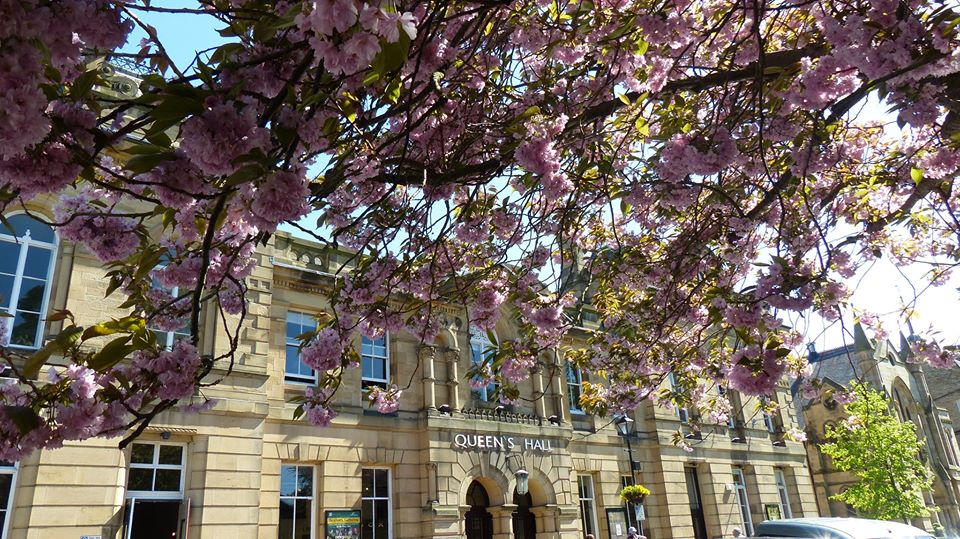
The Queen’s Hall on Beaumont Street is a striking Victorian building, once a Corn Exchange before becoming a dance hall, it is now a 350 seat theatre and home to two galleries. The programme is varied and combines a selection of the finest theatre performances including a wide variety of drama, comedy, musicals and more. Top tip…make time for a bite to eat in the cafe…best cheese and bacon scone you will ever taste!

alt="Queens Hall Hexham"
Queen’s Hall Arts Centre
(image credit Queen’s Hall)

Hexham however isn’t just about the history and the impressive buildings, it also boasts Northumberland’s only racecourse and England’s most scenic and highest National Hunt racecourse! Located high above the town with outstanding panoramic views, Hexham racecourse has been in operation for well over 100 years and has an annual programme of race meetings. The views are outstanding and well worth a drive up there for the views alone or of course if you fancy a flutter all meeting dates can be found on their website.

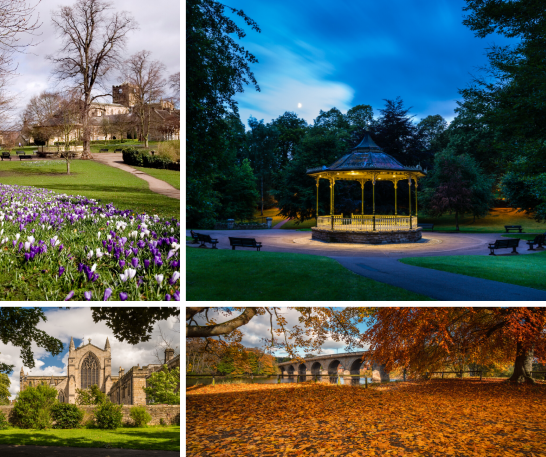
Never short of green spaces Hexham undoubtedly has some of the nicest parks and walks. The grounds of Hexham Abbey with it’s Grade II listed bandstand, the wide open space of the Sele, the beautifully kept Bowling Green with lots of park benches to sit and enjoy your surroundings, or if you fancy a river walk there’s nowhere nicer and more tranquil than the Tyne Green river walk which can be reached by car just before heading east out of the town.

alt="Hexham green spaces"
Parks, walks & green spaces to enjoy

A trip to Hexham wouldn’t be complete without a saunter around the retail offer where lovely independent gift shops and art galleries compliment some high street favourites. Do try to wander off the main high street and find some of the small independents tucked away on some of the quaint side streets with their interesting quirky shops and galleries. Explore Market Street, Hallstile Bank and the cobbles of St Mary’s Chare, oh and remember to look up, you might just spot a little piece of history peering down at you!

alt="town welcome sign"
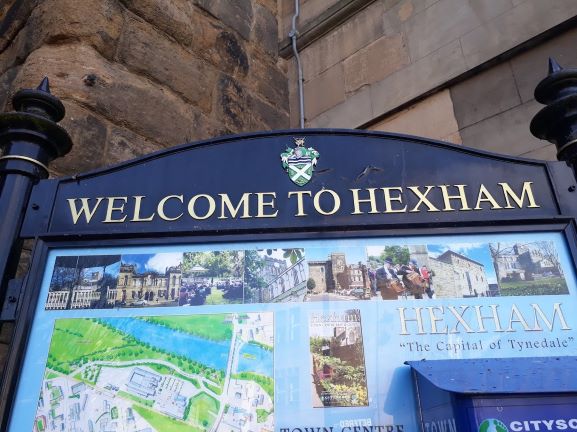
A warm welcome in Hexham

Hexham is a warm and welcoming town and was even recently voted the happiest place to live and in this town you won’t be short of places to stop for something to eat or drink with lots of coffee shops to choose from. You might want to plan your trip to coincide with the fortnightly Hexham Farmers’ Market or plan your stay when one of the many events are taking place. Hexham is a town where there really is something for everyone. To find out more about what’s on and when, take a look at the Visit Hexham website

A visit to Northumberland can take you from town to country to remote hills within a matter of minutes with unrivalled beauty and scenery wherever you choose to go. Many of our guests arrive here wondering what this northern most County holds for them, and within a few short days find they have fallen for it’s charm. Of course you don’t have to take our word for it, book your stay with us and discover Northumberland for yourself.

We look forward to seeing you soon!

Discovering our Museums – Vindolanda

St Oswald’s Farm is so well placed for days out in Northumberland and there really is so much to see and do across the County and the whole of the North East. So whether you stay for a weekend, a week or two weeks you won’t be short of places to visit and enjoy. If you like to soak up the history and enjoy discovering museums during your time away then you most definitely won’t be disappointed!

The wealth of museums is endless from the Aviation Museum at Bamburgh Castle to the National Trust property Cherryburn which was the birthplace of artist Thomas Bewick, to Blyth Battery, the Grace Darling Museum and of course the many museums along Hadrian’s Wall boasting more Roman artefacts than you can begin to imagine. The Ferryman’s Hut in Alnmouth is said to the be the country’s smallest museum and the nearby town of Hexham boasts the oldest purpose built Gaol in England with the market town of Morpeth holding claim to a dedicated bagpipe museum!

Of course any trip to Northumberland wouldn’t be complete without delving into our vast Roman history and we are lucky enough to have the Roman Vindolanda Fort & Museum only a short 20 minute drive from St Oswald’s Farm. This is one of Europe’s most important Roman archaeological sites and is situated on the Stanegate Road, one mile south of Hadrian’s Wall and is set in a stunning landscape which really allows you to feel and connect with this inspiring historic site.

alt="Discovering our museums Vindolanda site"
Vindolanda – Nine forts over nine centuries

Vindolanda comprises of nine forts built on top of each other over nine centuries with the visible stone fort dating back to the third century. The site includes a modern world class museum which tells the vast and interesting Roman story and the museum is constantly updated and changes with annual archaeological finds added as a result of the ongoing excavation programme.

The Vindolanda tablets are perhaps Vindolanda’s greatest discovery and have been voted as ‘Britain’s Top Treasure’. These delicate, wafer thin pieces of wood covered in spidery writing were were found in the oxygen-free deposits in the floors of the deeply buried early wooden forts at Vindolanda and are the oldest surviving handwritten documents in Britain.

alt="Discovering our museums vindolanda replica roman temple"
Replica Roman Temple at Vindolanda

The Vindolanda Excavations take place every year between April & September and attract hundreds of volunteers from all over the world and visitors are welcome to watch the excavations as they take place, you might be lucky enough to be there when the next major Roman artefact is discovered and dug up from the ground. Of course if you want to get stuck in yourself you can book to take part in the excavations but they do book up quickly. More details can be found here with the 2021 dates released at the end of this year.

alt="discovering our museums vindolanda excavation site"
Excavations underway at Vindolanda Image credit :Vindolanda

You could easily spend more than half day embracing all that’s on offer at Vindolanda and with an on site café offering a range of hot and cold drinks as well as snacks, lunches and afternoon tea it’s the perfect way to spend a day out come rain or shine! 

Whatever your interest you’ll be sure to find so much to see and do in Northumberland and of course if you need any help or guidance on where to visit you just need to ask and we’ll be happy to help.

For all availability and details of Heavenfield Cottage please go to our website. We hope to see you soon.

The most famous tree of all!

EDIT…in September 2023 in a dreadful act of vandalism our beloved tree was felled, the devastation, disbelief and sadness has been felt not only locally but right across the world. There are now plans to create a series of initiatives designed to mark the legacy of the tree and these plans will develop over time. For an update on these plans please go to the Northumberland National Park website

It’s thought to be several hundred years old and is one of the most photographed trees in the country, Sycamore Gap is undoubtedly a instantly recognisable landmark and is one of the most iconic places to visit whilst in Hadrian’s Wall Country.

alt="sycamore gap blue skies"

This famous Sycamore tree or Acer Pseudophatanus to give it’s official name, was catapulted to fame in 1991 when it appeared in the blockbuster film ‘Robin Hood Price of Thieves’ and is only a 20 minute drive west from St Oswald’s Farm and a considerably longer way from those White Cliffs of Dover! Don’t let Kevin Costner fool you!

The tree itself, which was crowned ‘Tree of the Year’ in 2016 by the Woodland Trust, is set a dramatic dip in the landscape with Hadrian’s Wall stretching up both sides away from it and is near to Milecastle 39 otherwise know as Castle Nick.

alt="sycamore gap cloudy sky"

Sycamore Gap can be reached on foot and is only a 15 minute walk from Steel Rigg car park and with Housesteads and Vindolanda both only a short 5 minute drive away it’s the perfect destination for those perhaps on a shorter stay or for who would like to only spend a day seeing some of the highlights of Hadrian’s Wall!

The landmark is cared for by The National Trust and Northumberland National Park and although there was a young replacement sapling sycamore tree planted nearby this no longer remains, perhaps it succumbed to the locals (sheep) nibbling it!

alt="sycamore gap in glow"

This is a spectacular walk and a stunning destination with dramatic views and whatever time of year you visit the surrounding countryside is rugged yet wildly romantic! If you can plan to be there on an early autumn evening as the sun starts to go down then you will be lucky enough to see something that resembles the whole of Northumberland bathed in a golden glow!

Of course no walk is complete without refreshment and if all our lovely Northumbrian air leaves leaves you with an appetite for either a light bite, dinner or just a quiet drink by a warming fire then The Twice Brewed Inn is perfectly situated just a stones throw away from Sycamore Gap. Here you will find seasonal menus of hearty home-cooked meals and their own superb selection of ales, brewed on site in the Brew House. There is also the opportunity to see how these ales are created with a tour of the Brew House itself. Full details of opening times and tours can be found here

Book your stay in Northumberland and at St Oswald’s Farm and discover the true beauty of England’s most northern county. We can’t promise you Kevin Costner but we can promise you a relaxing, peaceful, scenic, breathtaking and the most memorable of stays! We look forward to welcoming you here.

Rediscovering Blanchland

One of the unexpected pleasures of running our holiday cottage has been rediscovering many of the fantastic places there are to visit in Northumberland. I’m sure we are all very familiar with often visiting attractions in other areas but not actually taking the time to remember and enjoy just what is on our very doorstep. We are now thoroughly enjoying some day trips very close to home and a recent visit to nearby Blanchland reminded me without doubt how lucky we are to have so many superb places to enjoy.

Blanchland is the prettiest of villages, and it is almost like stepping back in time, a quaint and peaceful village in the most tranquil of settings. Blanchland straddles the border between Northumberland and Durham and sits within the North Pennines Area of Outstanding Natural Beauty. Built from the remains of a 12th century abbey the village and the surrounding countryside are truly beautiful.

alt="rediscovering blanchland village"
The quaintest of villages

The drive from St Oswald’s Farm takes about 35 minutes and is a really lovely scenic route that crosses the fells to this tiny village. Once there parking is easy as there signposting to a large car park which relies on donations of £1 in an honesty box, this is definitely a clue to the laid back and relaxed atmosphere you will find here.

Blanchland (White land) got its name from the white habits worn by monks of the Premonstratensian order who founded Blanchland Abbey in 1165. Although the whole of the abbey doesn’t remain, the pretty parish church which is a Grade 1 listed building is well worth a visit.

alt="rediscovering blanchland abbey stone sign"

The Lord Crewe Arms sits prominently in the ‘Square’ and is one of the oldest hostelries in the country dating back to the 12th century. It is a charming building steeped in history and with lots of features giving clues to its history and boasts the most magnificent fireplaces. This award winning hotel and restaurant are a definite must see, but it’s worth booking in advance if you wish to dine there.

We visited a lovely craft and gift shop, Jaspah Crewe, and were very tempted by the large range of handcrafted gifts, Blanchland isn’t the place for retail therapy as the only other shop is the pretty little post office which sits untouched by time.

alt="Rediscovering Blanchland post box"
Stepping back in time at the village Post Office

If you’re looking for morning coffee or perhaps afternoon tea and are tempted by very large pieces of cake definitely head to The White Monk Tearooms. The tearooms are in the very grand old school building, there’s loads of tables inside and if you visit on a warm sunny day there is space outside to sit as well.

alt="Rediscovering Blanchland whtie monk tearooms"
The White Monk Tearooms

Blanchland today is entirely owned by The Lord Crewe Trustees, a charity established in 1721. The village was previously owned by the family of the Bishop’s wife, Dorothy Forster, whose nephew was General Tom Forster and co-leader of the English Jacobite army of 1715. The ghost of Tom Forster’s sister, also called Dorothy is said to haunt the Lord Crewe Arms as she waits in vain for her brother’s return from exile. Eeek!

The houses in the Square all with dark red painted doors looks uniform and neat and very pretty and so well kept. The village has been used as a set many times for films and TV series…you never know you might just bump into a famous face!

alt="derwent reservoir and moors discovering blanchland"
Moorland & Derwent Reservoir

The surrounding countryside just makes you want to see more and there are many short walks, circular walks, the Blanchland Geotrail and plenty more to enjoy. Details of all the walks in the area can be found on the North Pennines AONB website. Alternatively the post office has lots of leaflets about the area and details of the walking routes.

Nearby is Derwent Reservoir which is the second largest reservoir in Northumberland. The reservoir is a popular place to fish for trout and you will also find a picnic area, bird hides and an easy access path.

Look out for Mallard, Tufted Duck, Greylag Goose, Teal, Goosander and Grey Heron

In Northumberland we really are spoilt with some of the best places to visit and as we rediscover our favourites we look forward to sharing them with you. Or of course you could book a stay in Heavenfield Cottage and discover all Northumberland has to offer for yourself, we promise you won’t be disappointed! All our prices and availability can be found here.