Category: North East Attractions

Highlighting Hexham Abbey

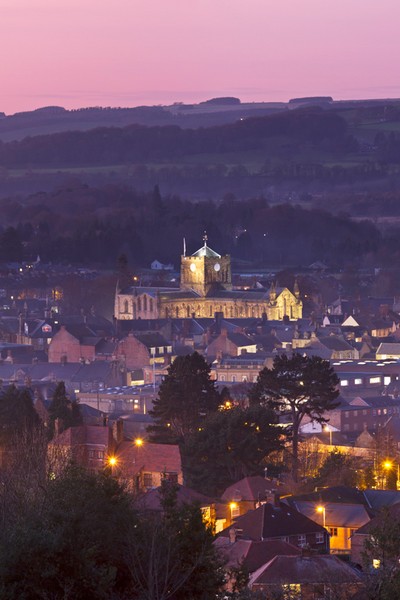
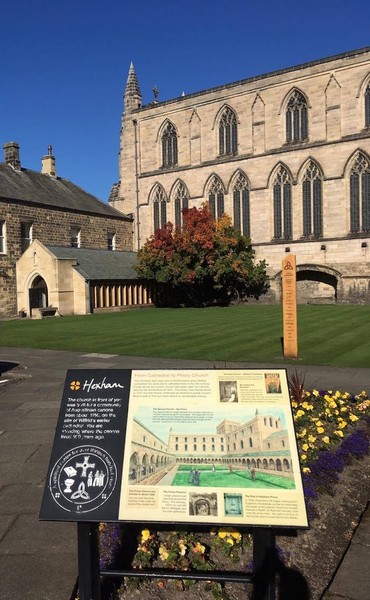
Hexham Abbey sits proudly at the heart of the historic market town of Hexham and with a long history and so much to see and so much to admire it’s definitely a must for places to visit during your stay.

Hexham Abbey is one of the oldest sites of Christian worship in the country and was founded back in AD674 as a Benedictine Abbey by St Wilfred and through it’s long history has seen periods of immense turmoil, destruction and change and this is reflected in the fascinating and wonderful church we see today.

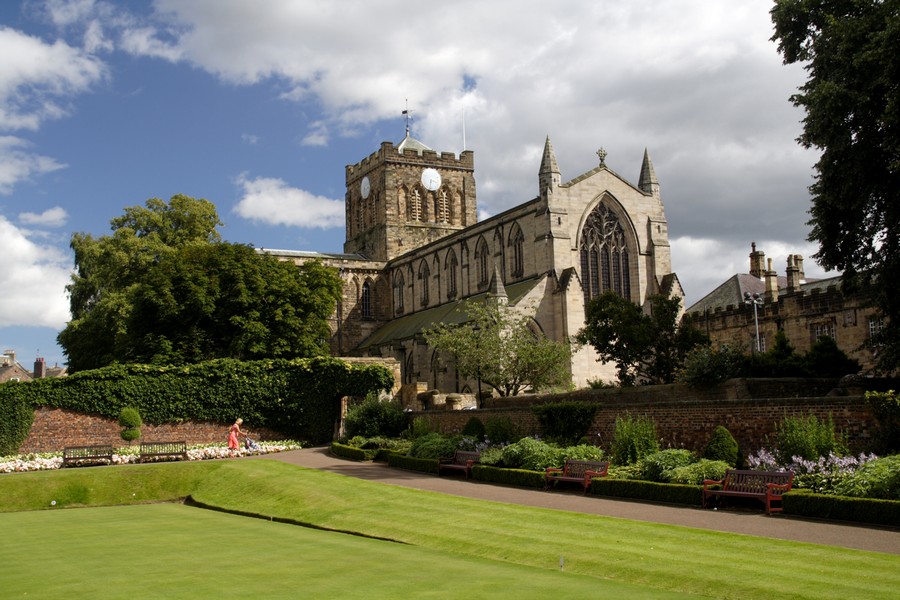
alt="Hexham Abbey and bowling green"
Hexham Abbey overlooking the lovely bowling green

There is a wealth of treasures to discover and admire when you visit the Abbey, the bright and colourful stained glass windows that adorn the North and South Transept, the Great East window situated behind the High Altar and the windows in the Nave that feature a variety of themes from the Northern saints to the armed forces. The Phelps Organ is magnificent with it’s beautiful polished oak and is quite a dominating sight and as you would expect plays a huge part in Abbey life. One of our favourite parts of the Abbey is the night stair and you can almost feel the history and the stories they could tell as you climb the 35 worn steps. At the bottom of the night stair is Flavinus’ Tombstone, a memorial slab which stands nearly nine feet high that was found in 1881 under part of the floor of the Abbey and is the largest example of its kind to have been found in England. A visit to the Saxon Crypt is a highlight for many visitors and takes you down to the earliest days of Christianity in England. The Crypt is open to visitors daily and although there is small charge one of the wonderful Abbey stewards will talk you through the history.

As you wander the wonders of this majestic building admire artifacts such as the Frith Stool and Acca’s Cross, discover what the banners mean and look out for the 7th century ‘Hexham Lion’. In the chancel you’ll find a fascinating collection of 15th century painted wood panels which are made up of three distinct series and in the choir you’ll encounter the rood screen which dates from the late 15th or early 16th century and features paintings of saints, including St Oswald, St Etheldreda and St Andrew.

In 2014 restoration of the medieval monastery complex, the Priory Buildings, was completed and this work reunited all the buildings on the Abbey site for the first time since the Reformation, and gave the opportunity to create a new permanent and interactive exhibition, The Big Story which tells 1300 years of history. The restoration also allowed for a new cafe within the Abbey buildings and you will find the Refectory Cafe perfect for coffee, light lunch or a delicious afternoon tea.

The Abbey is just as beautiful outside as inside and it stands within it’s own grounds which includes a pretty park area and recently restored bandstand. The grounds are lovely for a stroll and make sure you walk as far as the beautifully manicured bowling green and gardens of Hexham House.

The Abbey isn’t just about it’s fascinating history, the Abbey plays a huge part in the local community today and offers a wonderful programme of events and exhibitions alongside it’s regular services and to find out more about visiting the Abbey or about the events please check their website.

A visit to the Hexham Abbey is a wonderful experience with its’s peaceful atmosphere and ancient architectural treasures, and of course gives the opportunity to enjoy the lovely and historic town of Hexham.

Charming Villages – Alnmouth

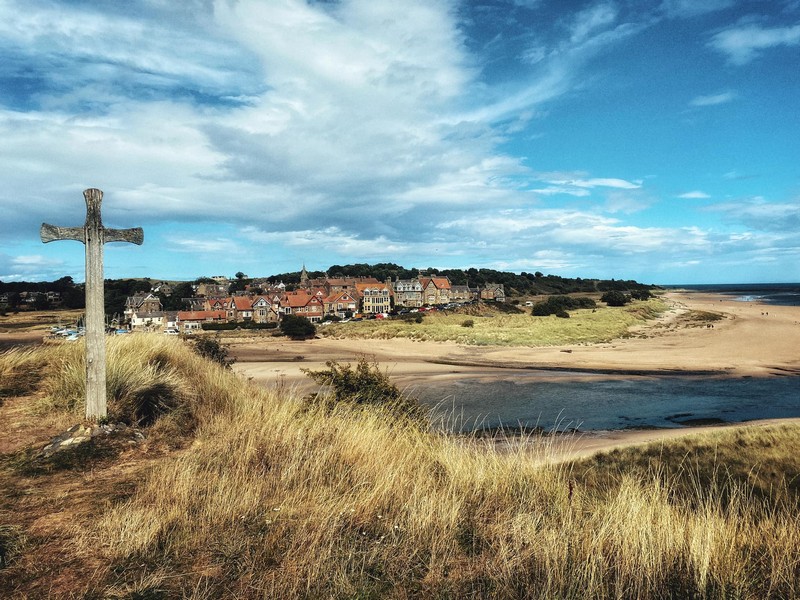
Alnmouth is a beautiful coastal village in North Northumberland that lies just 4 miles from the nearby town of Alnwick. Alnmouth is a pretty and sweet little village that offers fantastic views, a beautiful beach, a diverse selection wildlife and some wonderful walks that take in the stunning North East coastline.

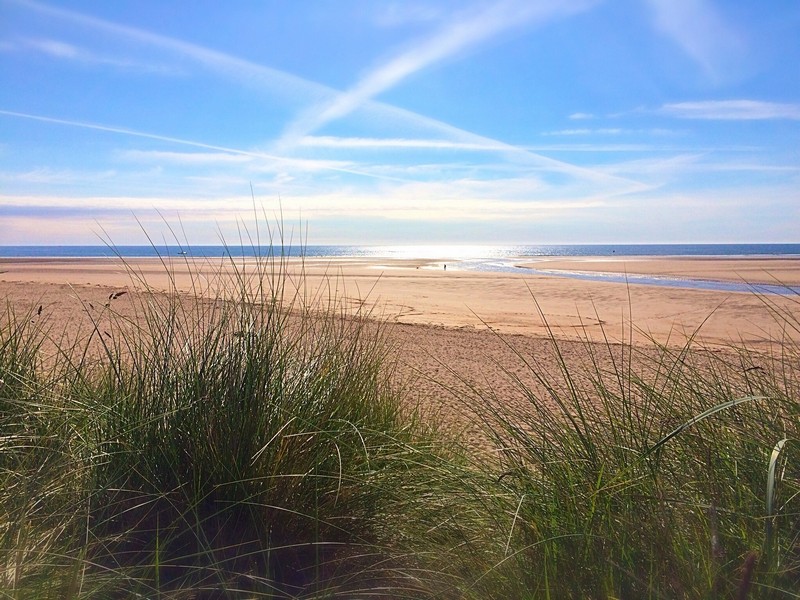
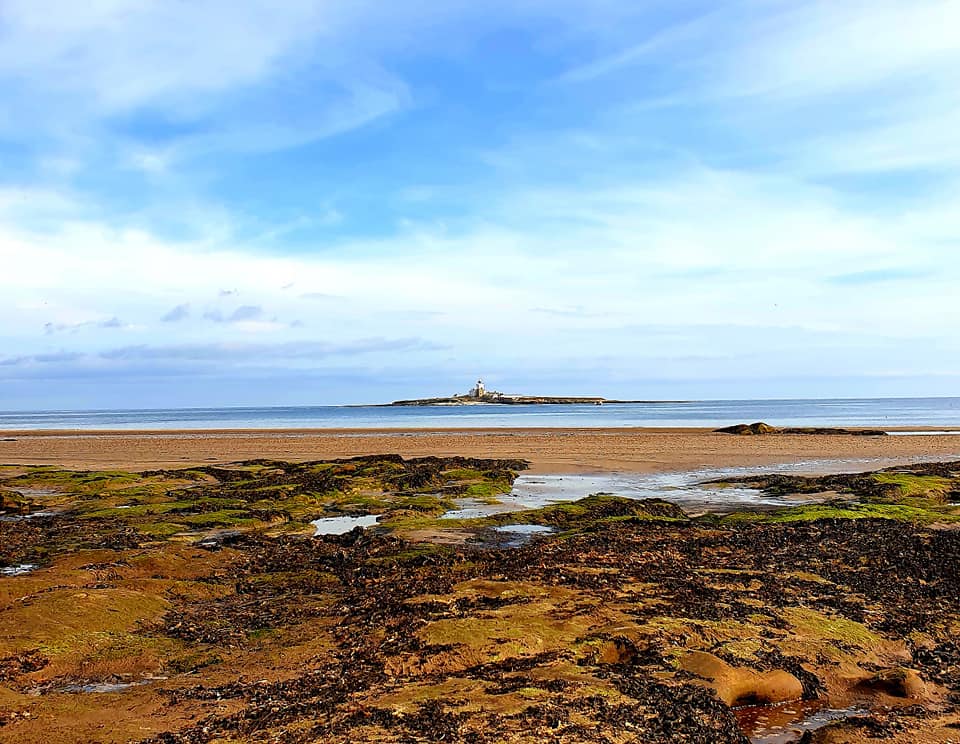
Alnmouth is within an Area of Outstanding Natural Beauty and it’s pretty obvious why as soon as you arrive. The village itself sits neatly within a sweeping curve of the Aln Estuary and is surrounded by a vast but very tranquil beach which is backed by golden sand dunes. The sand dunes are the perfect habitat for birds and that together with the mud flats that the tide creates mean there are superb bird watching opportunities. From Alnmouth there are views to Coquet Island which lies just a mile off the coast and is an RSPB wildlife sanctuary, as well as being home to over 35,000 seabirds it is the only UK breeding site for Roseate Terns. It is a protected site which unfortunately means the public are unable to set foot on the island but there are boats trips over to view the island from nearby Amble.

The village centre itself is home to a small selection of gift shops, a deli, a gallery and a small selection of pubs and restaurants too. Alnmouth is well known for it’s row of colourful houses which are an eye-catching sight, think the Tobermory of Northumberland, they are a favourite subject with photographers and artists alike. This little village boasts a lovely golf course which enjoys spectacular views over the coast and is one of the oldest golf courses in England, dating back to 1869 and it is also home to the smallest museum in Northumberland, The Ferryman’s Hut, which you will find in the harbour. It was originally used by ferrymen when they would row their passengers back and forth across the River Aln and it is thought that the last ferryman stopped working in the 1960s and the museum shows pictures and stories of him and his predecessors in this tiny piece of Northumbrian history.

Alnmouth has a few treasures too such as The Friary that holds open garden days and events throughout the year, Alnmouth Gun Battery dating back to 1881 which you may come across as you saunter along the vast sands. St Cuthbert’s Cross stands on the very steep Church Hill and looks out over the estuary and although little is known about the cross it is thought that it was the location where St Cuthbert agreed to become The Bishop of Lindisfarne. There is a walk which takes you up the hill to the cross although you may find it is more of a hike, if you do take the walk look out for the ruins of a small Mortuary Chapel.

If you really want to embrace those sea views then walk a stretch of the Northumberland AONB Coastal Path or enjoy the Alnmouth Circular Walk which takes in both coast and country.

Northumberland really does have something for everyone and the beauty of the County isn’t just found in the larger tourist attractions. If you’re looking for a quiet day away from it all then Alnmouth is definitely worth a visit and for more of Northumberland’s smaller hidden gems then take a look at our blog posts on the villages of Allendale and Otterburn.

A National Trust Beauty – Cragside

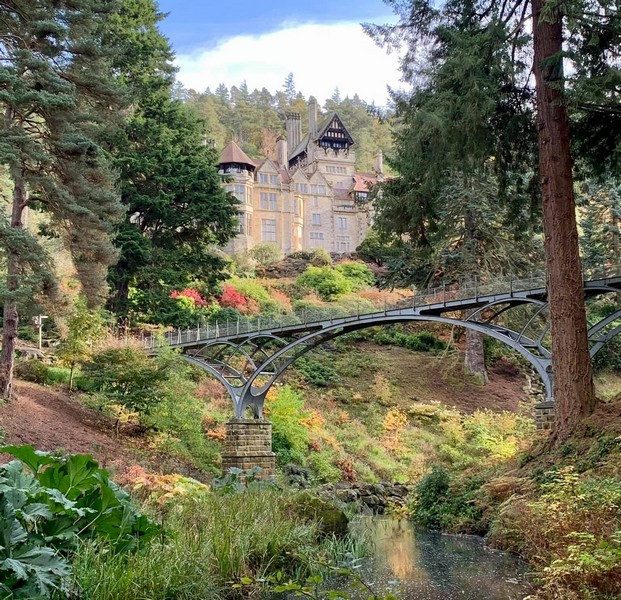
Northumberland has some great National Trust properties to enjoy, from tiny houses to magnificent estates and you will find each and every one fascinating and an absolute joy to visit. Cragside sits within the Northumberland National Park near the market town of Rothbury and the house, the gardens, the estate and even the drive from St Oswald’s over to Cragside is impressive on the biggest scale. Cragside House and Estate was created by Lord William and Lady Margaret Armstrong, William who was a visionary Victorian inventor and Margaret a keen gardener and together their vision and their passion for engineering and natural sciences transformed a baron land into what we see today.

alt="Cragside House and rock garden"
Cragside House from The Pinetum (image B Wake)

The Victorian mansion was a pioneering home, perhaps the first ever ‘smart home’, it was the first house to be powered by hydroelectricity generated using hydraulics which harnessed power from nearby lakes. Throughout the house you will see many of the ‘mod cons’ that the Armstrongs and their guests enjoyed and their staff used, an early dishwasher, rotating spits, fitted sinks with hot running water and even central heating. The library houses four of the inventor Joseph Swan’s original incandescent lamps and the house shone with electric light, which was powered by Armstrong’s expertly integrated hydroelectricity system.

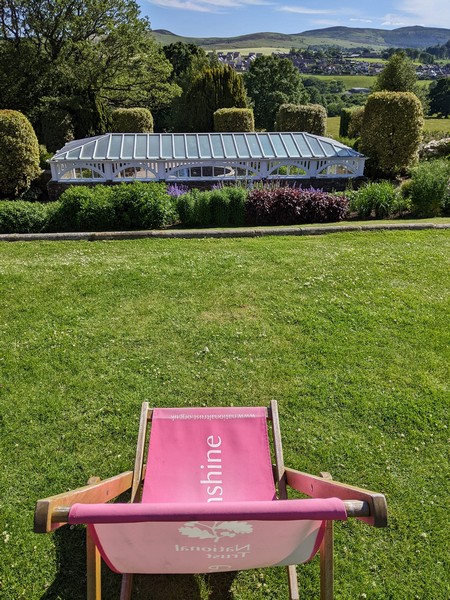
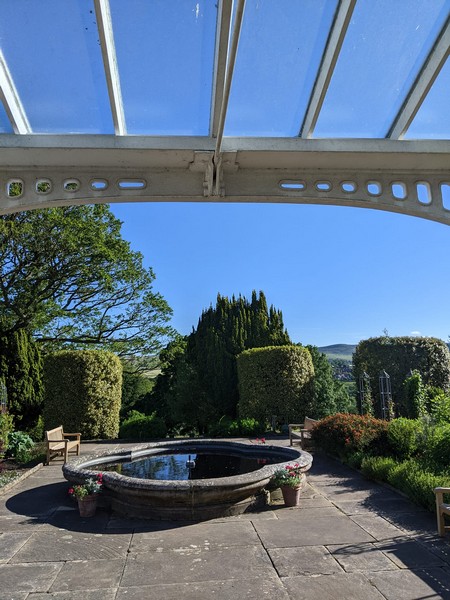
The gardens are just as impressive, enjoy the formal garden which covers three acres and lies over three levels and enjoys views to the South overlooking the Coquet Valley and the Simonside Hills. There are plenty of places to sit and enjoy the formal garden and it includes the Orchard House, The Clock Tower and The Quatrefoil Pool although the centrepiece has to be the Italian Terrace.

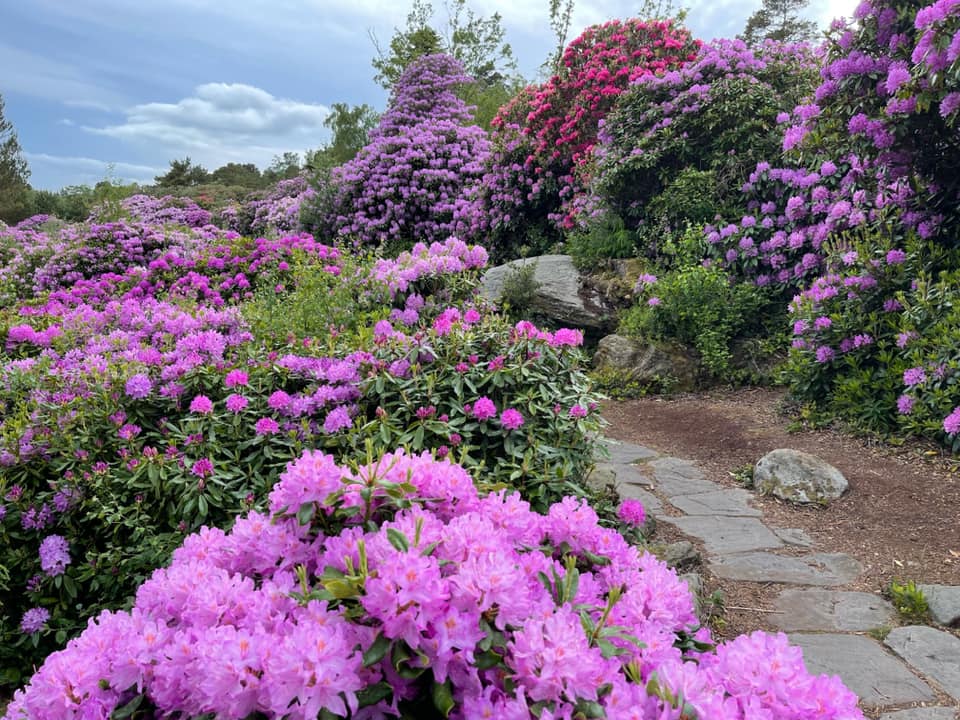
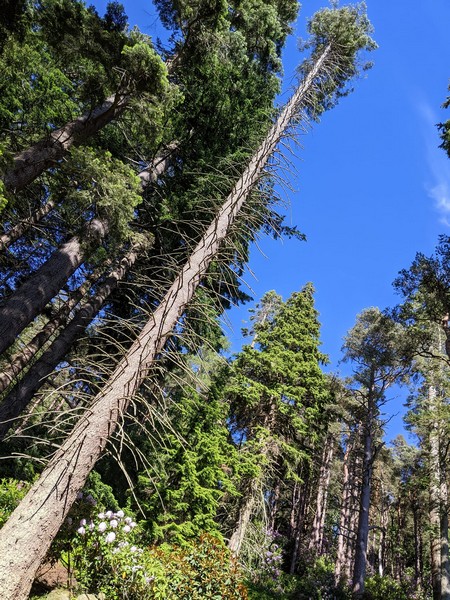
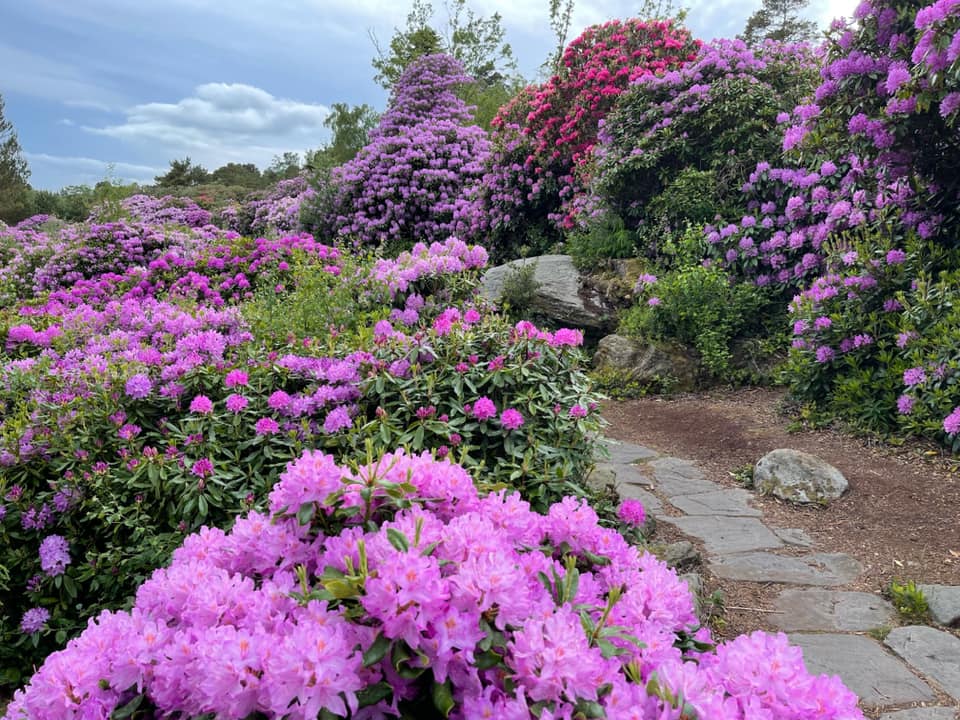
Enjoy a stroll through The Pinetum which is made up of a collection of non-native coniferous trees all planted especially for their scale and size and is home to some of the tallest of their kind in the UK. Planted 160 years ago, the original trees still stand today and as you gaze upwards they create such a majestic feel and remember to keep your eyes peeled for red squirrels as you saunter. From the Pinetum a walk along the waterside brings you to iconic iron bridge and beyond that the Rock Garden, a rockery on a monumental scale that is filled with azaleas and rhododendrons. Cragside is renowned for it’s annual show of over a million rhododendrons and June is wonderful time of year to see this spectacle.

alt="Rhododedrons on the carriage drive at Cragside"
A riot of colour in the gardens and on the carriage drive

There are over 40 miles of footpaths at Cragside and there are some great walks and trails to help you navigate your way around, choose from The Armstrong Trail, The Gun Walk, Nelly’s Moss Lakes Walk or the Inspiration Walk, all the trails are downloadable on the National Trust website.

To fully appreciate the Armstrong’s creation then be sure to take the Carriage Drive which is a 6 mile route around the Estate with plenty of places to stop and admire the view or park up in one of the many car parks and explore on foot on one of the waymarked walks. Look out for caves, sculptures, the timber flume, boathouses and of course the wonderful wildlife that is resident in this beautiful part of Northumberland.

alt="Nelly's Moss lake and picnic bench at Cragside"
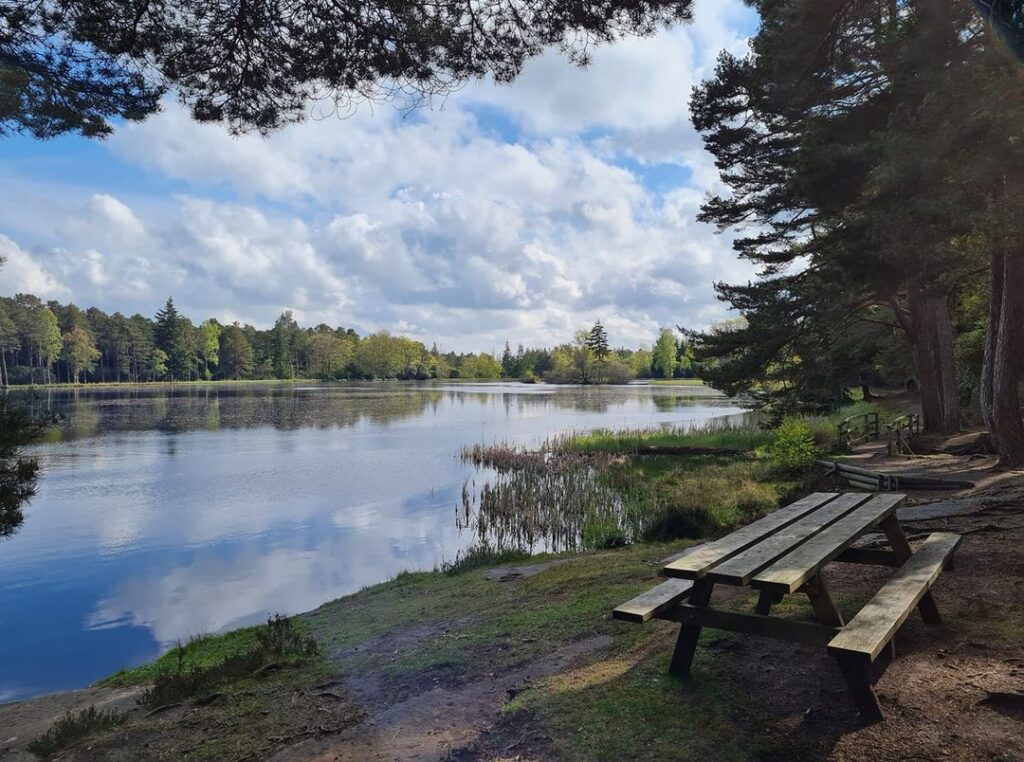
Nelly’s Moss Lake

As you would come to expect from a National Trust property there are all the usual amenities and there are three eateries offering breakfast, lunch and plenty of cakes and bakes. Cragside is a full day out but please bear in mind that many of the paths are steep and can be rough in places so do wear appropriate footwear. Cragside is one of our favourite days out and we hope you love it as much as we do.

Gardens Galore

In Northumberland and the North East of England there are gardens galore all just waiting to be discovered, there is everything from grand estates to hidden retreats and from naturally wild to neat and manicured and you will find there really is something for everyone to enjoy.

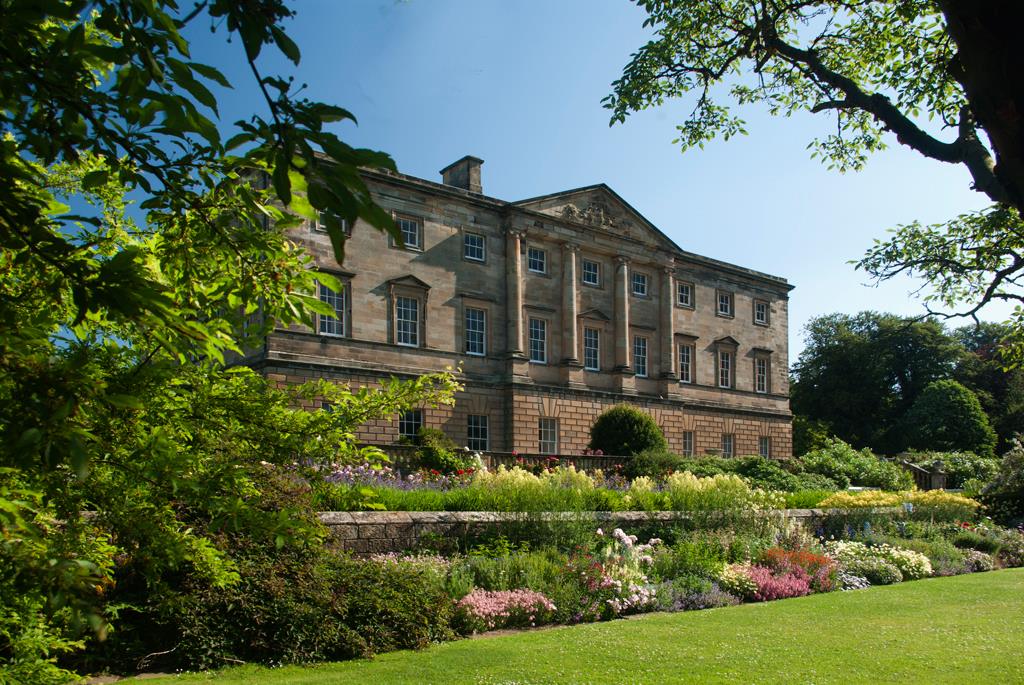
Howick Hall in North Northumberland, best known as the home of Earl Grey tea, is a garden lover’s dream and offers extensive gardens with everything from formal gardens with their impressive herbaceous borders and rockeries, to the bog garden, Silverwood, the sensory garden and the woodland walk. The Arboretum at Howick Hall covers around 65 acres and amazingly has almost virtually all been grown from seed collected in the wild since 1985. It boasts about 11,000 trees and shrubs and holds one of the largest collections of wild origin plants in the UK and there are paths and way markers to help you navigate your way around this wonderful botanical garden. To find out more about Howick Hall please go to their website.

alt="Front of Howick Hall with gardens"
Howick Hall

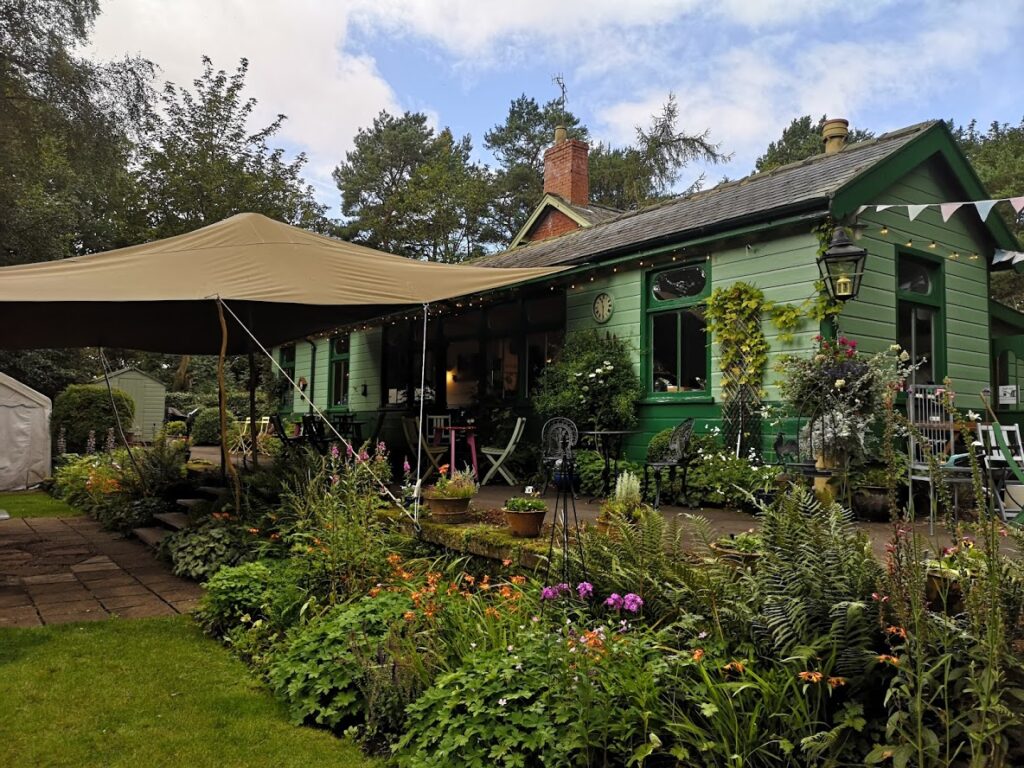
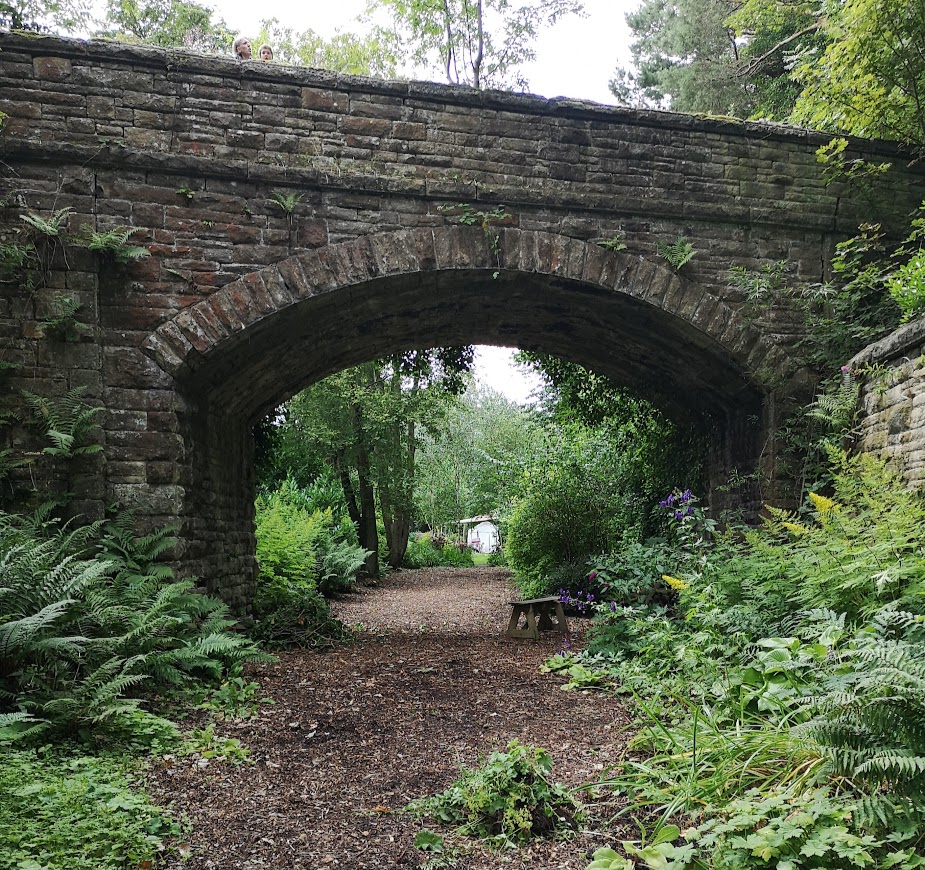
If you prefer something on a much smaller scale then The Garden Station at Langley is just a 20 minute drive from St Oswald’s and is a destination for a peaceful afternoon in tranquil surroundings. This woodland garden and beautifully restored wooden Victorian railway station sits on the former Hexham to Allendale railway. What you will find here is a rather quirky garden together with a small cafe along with a woodland walk that was created in 2003 along the old railway track between two arched bridges and it is bordered by plants which thrive in this pretty woodland. There is outdoor seating in the garden which is just perfect for sitting soaking up the peace and tranquility of these lovely surroundings that sit within the Northumberland National Park. The Garden Station does close when it hosts private events so do check they are open before you visit.

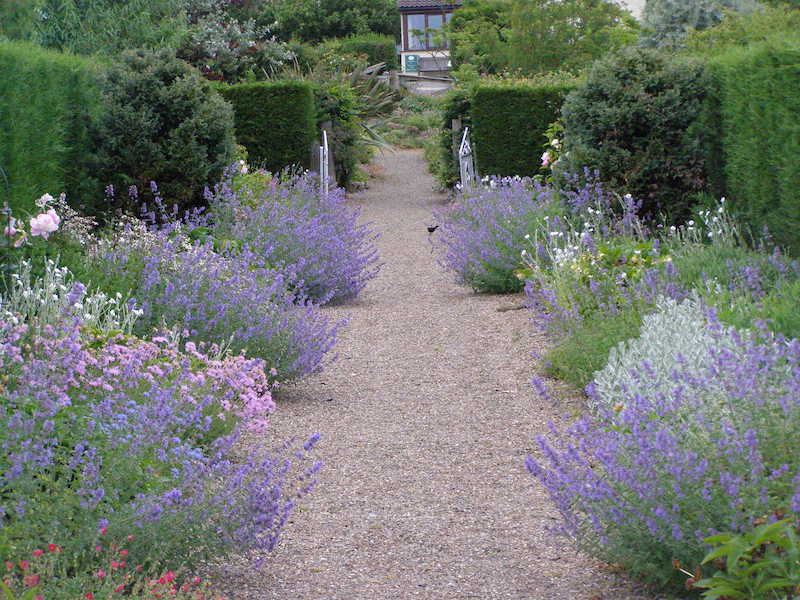
Birkheads Secret Garden is another small but perfectly formed North East gem and is located in rural Gateshead halfway between Tanfield Railway and Beamish Museum. The garden sits on a sloping 3 acre site and has been divided up into 14 smaller inspirational gardens and each with a different theme to suit the planting conditions and displaying a wide variety of hardy plants to provide something for all the senses and to create year round interest. This small family run garden and nursery has been developed and grown by the owners with love and with care and has sustainability and bio-diversity at it’s core. Opening times vary throughout the year and more information on this gorgeous garden can be found on their website. Oh and if you have an old and unused key take it along and all your wishes might just come true!

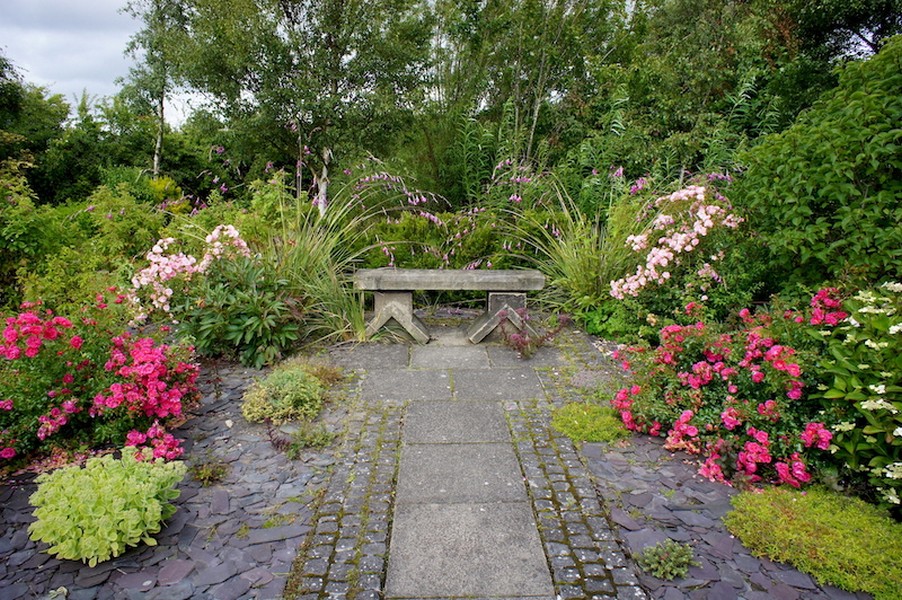
Holy Island is a well known visitor destination but perhaps lesser known is the Gertrude Jekyll Garden which lies beside Lindisfarne Castle and is located where the Castle’s garrison originally had it’s vegetable plot. This delightful walled garden was designed by gardening guru Gertrude Jekyll for her friend Edward Hudson in 1911 and was re-established by the National Trust using Jekyll’s original planting scheme when it was restored in 2003. The garden has a geometric layout of paths and beds containing hardy annuals, stunning perennials and even vegetables that ensure the garden is interesting all year round. The garden was designed to be particularly stunning during the summer months when Edward Hudson was said to visit the garden and to show it off to his visitors. Don’t forget to always check the safe crossing times when visiting Holy Island.

Gertrude Jekyll Garden at Lindisfarne Castle

For more gardens galore across Northumberland and the North East then take a look at our earlier blog posts Gorgeous Gardens and More Gorgeous Gardens.

Discover The Bowes Museum

The Bowes Museum is a hidden treasure, a jewel in the heart of beautiful Teesdale. The magnificent building stands proud in the historic market town of Barnard Castle housing internationally significant collections of fine and decorative arts. Purpose built in the 19th century by John and Joséphine Bowes, this Museum has a wonderful story to tell.

The Museum is a unique cultural icon and is one of the most important museums outside London, it’s wonderful history and it’s outstanding collection of treasures span three exquisite floors.

The walls of the picture galleries are covered with a huge collection of world class paintings, many of which are priceless masterpieces, ranging from the smallest and oldest, Sassetta’s Miracle of the Eucharist (c1423) to the eye-popping sized Canaletto-double.

alt="The Bowes Museum front aspect and formal gardens"
Image Credit – The Bowes Museum, Barnard Castle

The fashion collections take you on a journey from the 17th to 20th centuries with the displays fashioned in a manner which enable you to get a sense of time. The treasures include The Blackborne Lace collection, one of the largest and most important lace collections in the world. Shoes and garments are displayed on transparent acrylic mounts which enables a glimpse into the making of the garments with a view of the linings and labels which are normally hidden from sight.

Amongst the many collections there are a number of mechanical toys, music boxes and watches with automaton movements but perhaps the most well known and popular attraction is the clockwork Silver Swan which has been resident at the museum since it opened in 1892 apart from when packed away for safety during World War II. Unfortunately The Swan was a casualty of Covid regulations and due to the lack of use at that time is now undergoing maintenance, hopefully she will be performing and delighting visitors again soon.

The permanent collections are complemented by an eclectic exhibition and events programme and there are guided tours most days that you may wish to take advantage of, but places do need to be booked in advance.

Whatever time of day you visit Cafe Bowes is perfect for a quick bite, a leisurely lunch or delicious afternoon tea, and a day at The Bowes Museum wouldn’t be complete without a walk around the 20 acres of gardens, take in everything from woodland walks to the formal parterre garden which completes the look of this stunning French Chateau style building. If you love museums then a visit to The Bowes Museum will not disappoint.

We look forward to welcoming you to St Oswald’s Farm and hope you enjoy all the North East has to offer.

Discovering Morpeth

Northumberland is home to a number of market towns, each one boasting it’s own unique charm, character and many steeped in Northumbrian history. The town of Morpeth sits on the river Wansbeck and is only a half hour’s drive from St Oswald’s Farm. Morpeth is a bustling market town where history and traditional market town charm and independent retail meets with modern shopping centres and trendy wine bars. The cobbled streets, the markets, the walks and the park area together with a unique heritage all give the town an irresistible beauty.

A visit to any market town must include a spot of retail therapy and Morpeth doesn’t disappoint. You will find the Farmers’ Market in town on the first Saturday every month and the weekly charter market in the Market Place each Wednesday. As well the markets the town is packed with retail offerings, the Sanderson Arcade and the charming precinct together with Rutherford’s department store are perfect for browsing and picking up lovely gifts. There is a superb mix of independent shops together with some of your high street favourites.

If you’re seeking a green space Carlisle Park is centrally located in the town and is open every day so it’s always a great time to visit. It includes the William Turner Garden, tennis courts, bowling green, aviary and is home to one of only four working Floral Clocks in the country.

Take a walk up to the castle or there is mature deciduous woodland with lovely, but also very hilly woodland walks, there are even rowing boats if you fancy taking to the water and testing your rowing skills. Or of course Carlisle Park is the perfect spot for a picnic and to sit and watch the world go by!

If you visit in Spring Morpeth’s Bluebell Woods are beautiful when the woodland floor becomes carpeted with bluebells. Properly known as Howburun Woods are names for the How Burn which flows through them into the River Wansbeck. As well as the bluebells, expect to see an array of woodland plants, red squirrels, birds – and the occasional deer.

alt="bluebell carpeted woodland in Morpeth"
Bluebell Woods

As with all Northumbrian Market Towns there is a unique offering of history to enjoy and Morpeth is no different. Northumberland is the only county in England with its own dedicated musical instrument and Morpeth is home to a museum that celebrates and plays homage to our Northumbrian Pipes – a unique part of the heritage of Northumberland. Tucked away in a stunning 13th Century Grade 1 listed building is The Morpeth Chantry Bagpipe Museum which boasts a treasure trove of instruments and along with the fascinating displays, the museum often comes to life with regular live musical performances and ‘meet the piper’ sessions. The Chantry is also home to the Northern Poetry Library and Craft Centre and even the building itself has a story to tell, with townspeople once over having to pay a toll to the local priest to cross the river! You can still see the foundations of the town’s Medieval bridge in the river today.

alt="northumbrian pipes in museum in Morpeth"
The Chantry Museum – Home of the Northumberland Pipes

The town has plenty of free parking and with a great choice of places to eat or grab a coffee it’s the perfect destination for a day out. For more information on visiting this lovely Market Town please go to the More in Morpeth website.

If you enjoy the buzz of a market town just take your pick, as whichever one you choose you’ll be sure of a warm Northumbrian welcome.