Visit Haltwhistle

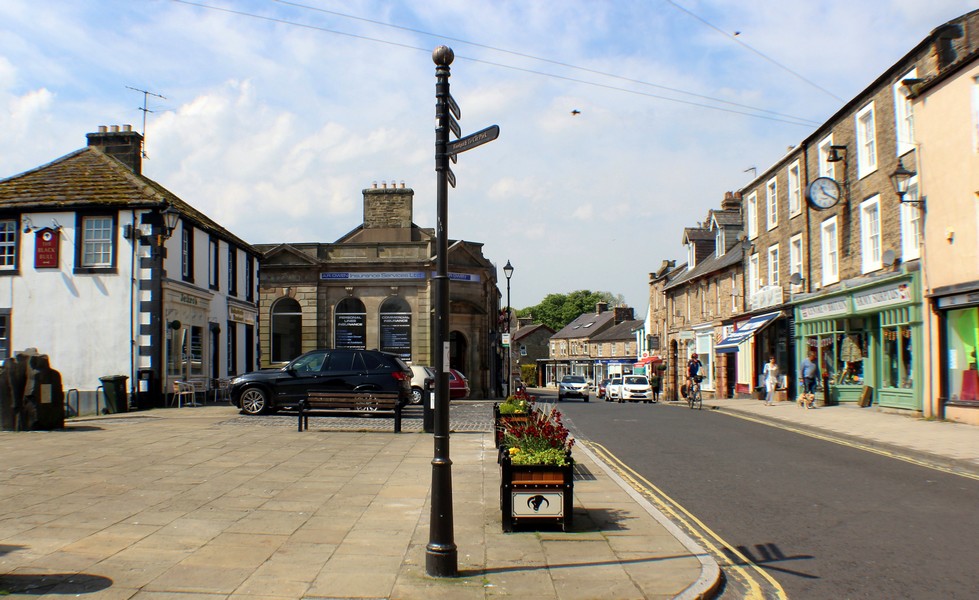
Northumberland is dotted with welcoming market towns, each with its own distinctive character and charm, and Haltwhistle is in no way an exception. Ideally placed close to Hadrian’s Wall, Haltwhistle combines a friendly atmosphere with independent shops, cafés, a geographical claim to fame and fantastic local walks, making it an easy and rewarding place to spend time while exploring this part of the county.

The Centre of Britain

Haltwhistle is a fascinating little town and at the geographical centre of Britain and as such the town has long been shaped by its location, sitting where ancient routes once crossed the North Pennines and earning its reputation as the “Centre of Britain.” Over the centuries, its position made it an important stopping point for travellers, a role it still plays today for visitors exploring Hadrian’s Wall, the South Tyne Valley and the surrounding countryside.

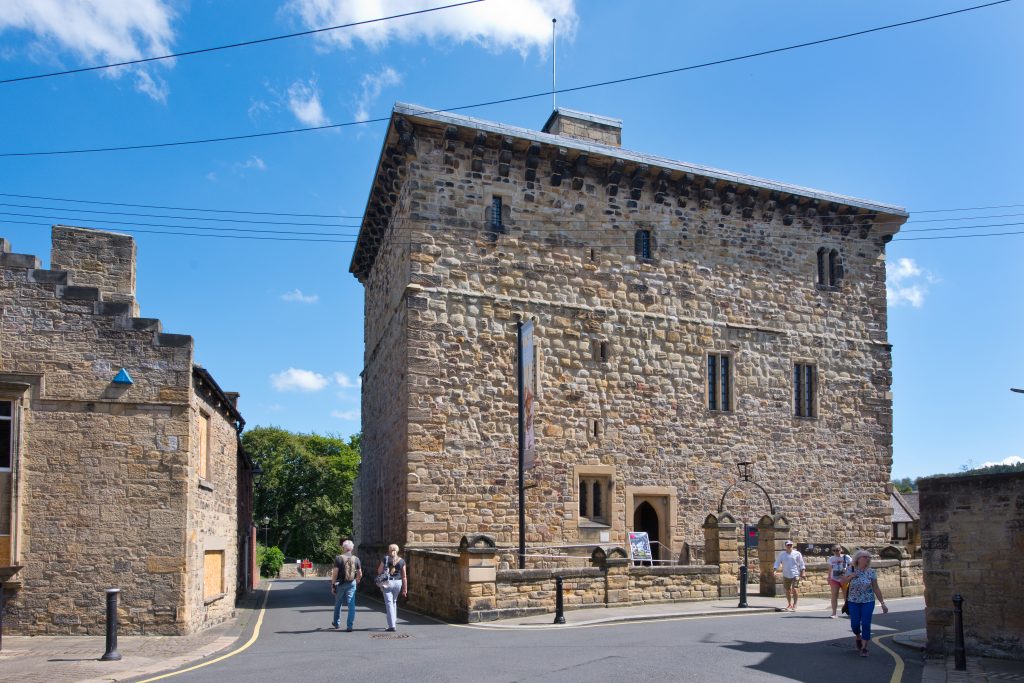
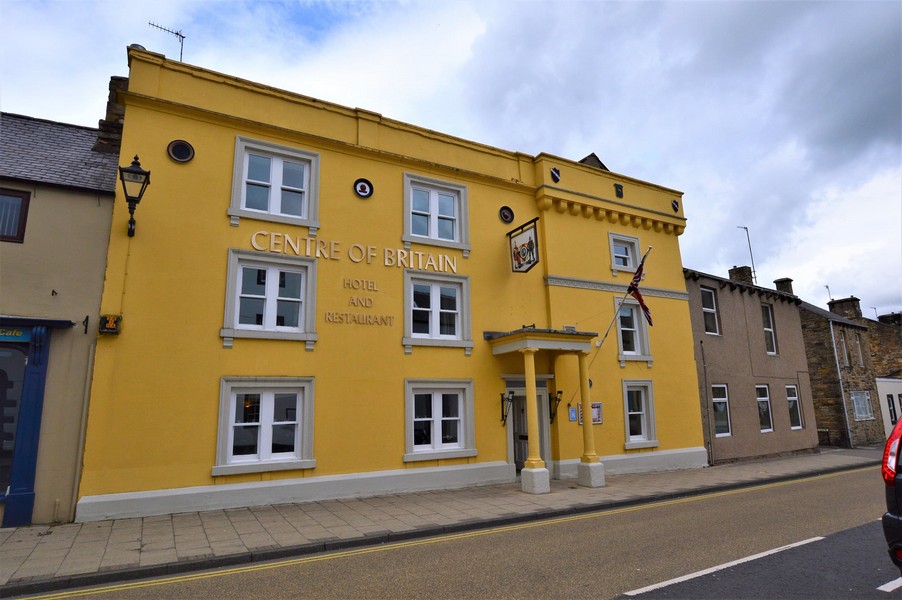
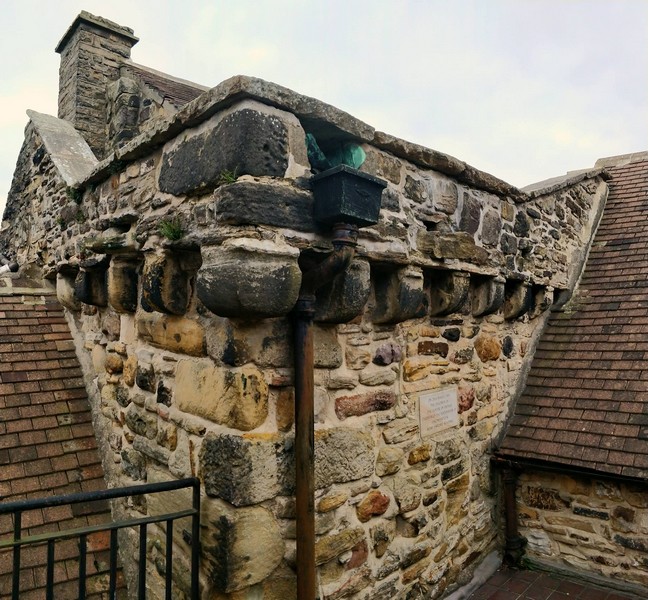
The town is steeped in history, with the most prominent historic building, The Centre of Britain Hotel, which was originally built as a pele tower in the late 15th century, just as the Border Reivers were starting three centuries marked by conflict and pillage. After the unification of the Crowns the tower and the bastle house next door were merged together and became the Tax Collector’s office. Later on the buildings would go on to be used as a coaching inn and post office. The Centre of Britain Hotel has a long, varied and fascinating history and there is no better place then their website to read all the historical highs and lows of this building.

Historic Haltwhistle

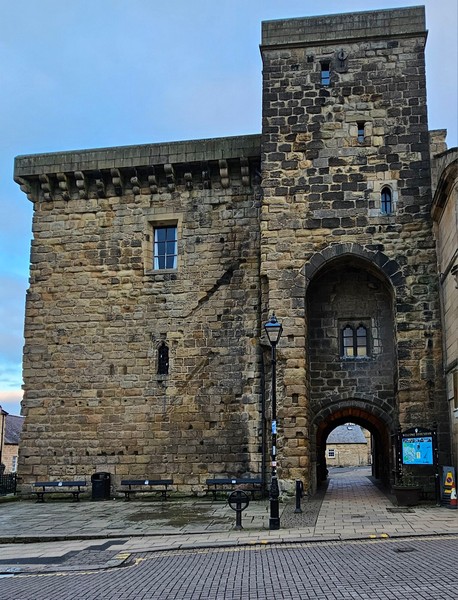
The area around Haltwhistle’s market place has the largest number of surviving bastles in England, and these are marked by plaques so that visitors can follow a ‘bastle trail‘. An ideal stroll if you’ve arrived without your walking boots.

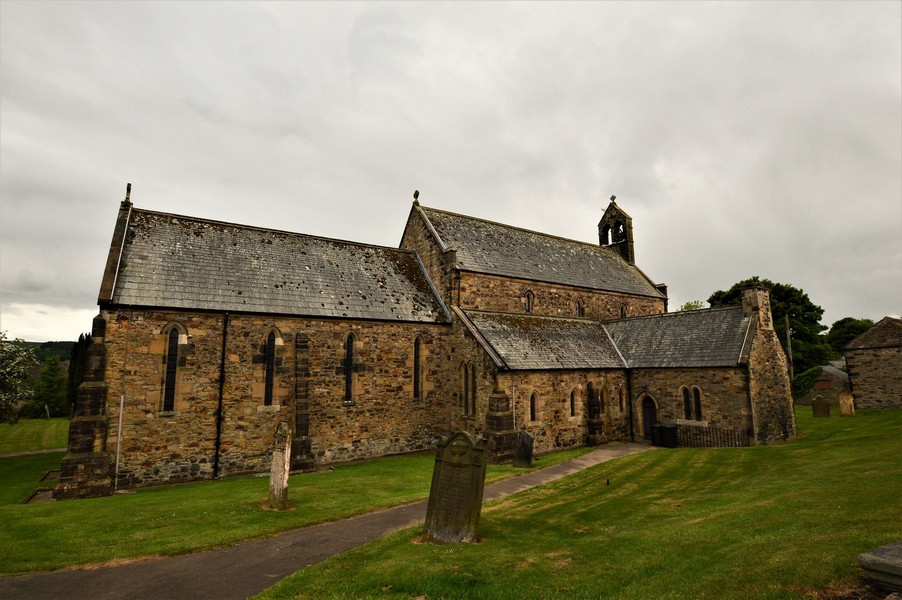
The town is home to three churches, Haltwhistle Methodist Church, St Wilfred’s Catholic Church and the Church of the Holy Cross which is the oldest building in Haltwhistle and one of only a few early 13th century churches still functioning as a working church in England. The Holy Cross Church features a mix of Norman and later Gothic styles. Its nave and chancel display thick masonry and pointed arches, while the west tower – added later – serves as a local landmark. Inside highlights include medieval grave slabs, 19th-century stained glass, and carved stonework that documents evolving ecclesiastical design over eight centuries. The church is open to visitors on Thursday and Saturday from 2.00 until 4.00 pm from Easter to the end of September.

Haltwhistle on Foot

Each year the town hosts The Haltwhistle Walking Festival inviting walkers of all abilities to explore the stunning Northumberland countryside through a programme of guided walks. Every Festival includes over 20 walks and ensures that the programme offers a variety of walk destinations, a variety of grades and a variety of specialist walks. Set in and around the town and the stunning landscapes around Hadrian’s Wall the festival offers scenic routes along rivers, past historic sites and across open moorland – a great way to enjoy scenic Northumberland, meet fellow walkers, and discover the area at its best. If you’re not visiting during the festival and want to enjoy walks in the area take a look at The Haltwhistle Rings, a choice of 22 circular walks through all the historic parishes of Haltwhistle with pdf guides that include ‘Did you know’ points of interest to enjoy on each route.

Visiting Haltwhistle is a perfect addition to a Northumberland stay, promising a day that brings together history, distinctive landmarks, local charm and scenic walks through beautiful surroundings. Whether you’re exploring the town itself or simply pausing to stand at the very “Centre of Britain,” Haltwhistle offers a relaxed and rewarding day out.

Remarkable Romans – Corstopitum Roman Town

Just a short drive from St Oswald’s Farm, Corstopitum Roman Town offers an absorbing glimpse into life on the northern edge of the Roman Empire. Set at a key crossroads, the site developed into an important supply base and settlement supporting the nearby garrisons along Hadrian’s Wall. Its wide streets, substantial granaries and workshops reveal a place that was busy, organised and central to frontier life. Today, Corstopitum is a fascinating and rewarding place to explore and just one of the superb local Roman sites that can be enjoyed in the surrounding area.

As you begin to explore the site, the scale and detail of what remains quickly becomes apparent. The outlines of streets guide you through the town, while the towering granaries hint at the vast quantities of supplies that were once stored here. Fragments of everyday Roman life emerge along the way, from workshops and store buildings to carved stonework and inscriptions, inviting visitors to imagine the people who lived, worked and passed through Corstopitum nearly two thousand years ago.

Meeting the Corbridge Lion At Corstopitum

One of the most iconic artefacts at Corstopitum is the Corbridge Lion, a Roman sandstone sculpture believed to date back to the 2nd-3rd century AD. The lifelike carving shows a male lion poised over its prey, perhaps a deer, sheep or similar animal and was most likely originally created as decorative ornament, possibly intended for a tomb. The statue was very obviously later repurposed as a fountainhead as the mouth on the carving now shows, perhaps the Romans showing us then, how to re-use and re-purpose. Today the Corbridge Lion is one of the standout exhibits in the Corbridge Roman Site museum, offering a striking glimpse of Roman craftsmanship and the symbolic art of the period.

The Corbridge Hoard – An Extraordinary Roman Discovery

Another fascinating display within the museum is the Corbridge Hoard which was discovered just a few miles of Corstopitum and is one of the most remarkable Roman finds in Britain. Buried in the early 2nd century AD, the hoard was found packed inside a wooden chest and contained a carefully arranged collection of armour, weapons, tools, and personal items – including beautifully decorated metalwork and parts of a lorica segmentata (body armour). The way the objects were meticulously stored suggests they were deliberately hidden for safekeeping, perhaps during a time of unrest and then never recovered. Today, the hoard helps bring Corstopitum vividly to life, revealing not just the military presence at Corbridge, but the craftsmanship, organisation and everyday realities of Roman soldiers stationed far from home.

Beyond its most famous finds, Corstopitum has yielded a rich collection of artefacts that bring everyday Roman life into focus. Stone altars and inscribed building stones reveal the beliefs, regiments and individuals connected with the town, while coins trace its long period of occupation and change. Alongside these are practical objects such as tools, fittings and fragments of architectural stonework, offering insight into how the settlement functioned on a daily basis. Together, these quieter finds help build a fuller picture of Corstopitum as a working town – organised, lived in and closely tied to the demands of the northern frontier.

A visit to Corstopitum makes for a rewarding and unhurried day out, combining open-air exploration with some of the most fascinating Roman history in the region. After exploring the site and its museum, the nearby village of Corbridge is well worth time of its own, a great place to wander, with fantastic independent shops, cafés and welcoming places to eat as well as a lovely riverside walk.

A Day in Durham City

A visit to Durham City is a great way to spend a day out while staying with us at St Oswald’s Farm. From its dramatic skyline crowned by the wonderful cathedral and castle to the inviting indie shops and riverside walks, the city blends history, charm and atmosphere and is only an hour’s drive away.

Durham Cathedral is one of the most breathtaking landmarks in the UK, rising dramatically above the city with its towering Norman architecture. As you step inside, the soaring columns, intricate stonework, and peaceful cloisters create an atmosphere that’s both awe-inspiring and calming. Whether you’re admiring its world-famous vaulted ceiling, exploring the centuries of history woven into its walls, or simply soaking in the ambience, the cathedral is a must-see highlight for any visitor to Durham.

Sitting alongside the Cathedral is Durham Castle, a striking Norman fortress that is perched high above the River Wear, forming one half of Durham’s UNESCO World Heritage Site. Built in the 11th century, it was originally a defensive stronghold but today feels more like a living museum, full of grand halls, winding staircases and centuries of stories. Visitors can explore its impressive Great Hall, beautifully preserved chapels, and historic courtyard that are all still in use today as part of Durham University. With its blend of medieval architecture and modern student life, the castle offers a uniquely atmospheric glimpse into Durham’s past and present.

You couldn’t really visit the city without exploring the charming mix of retail where well known high-street brands sit alongside a rich variety of independents. Wander through the cobbled streets and you’ll find unique gift shops, artisan makers, bookstores and galleries all tucked into and around the historic buildings. The ‘Market Hall’ and it’s traders add real local flavour with about 40 varied stalls all under one roof, plus with regular outdoor and special markets, it’s a lively place to browse.

For something more relaxing the River Wear is great for a stroll, as you follow the curves of the river along the waterside path you’re in for a beautifully peaceful walk that winds beneath historic stone bridges and passes the dramatic skyline of the city’s cathedral and castle. From the water’s edge you get lovely reflections of old the architecture, glimpses of swans gliding by, and you will find it a calming, slower-paced contrast to the busy city centre. It’s a perfect way to soak up the charm of Durham.

alt="River with trees and historic buildings"

If you find you still have time for more exploring then County Durham offers plenty, and the lovely Ushaw Chapel, House & Gardens are just 4 miles from the city centre. Expect the unexpected at Ushaw as you lose yourself in the lovely grounds, where you’ll find playful surprises, inspirational art, wildlife carvings amongst the woodland trails, wide-open spaces and vibrant floral gardens. As well as the gardens and parkland you will discover a long and rich history amongst the Victorian Gothic architecture of the house and chapel.

A day out in Durham city is always enjoyed by those guests who visit and we always recommend using the city’s convenient Park & Ride, letting you skip the traffic and arrive stress-free into the heart of this historic North East gem.

Spotlight on Alnwick Castle

One of Northumberland’s most iconic landmarks is the magnificent Alnwick Castle. It’s grand, it’s full of history and it’s just a lovely day out. Whether you’re a lover of historic buildings, a Harry Potter fan, or you simply enjoy exploring somewhere beautiful, Alnwick Castle really does have something for everyone.

From St Oswald’s Farm, it’s around an hours drive, and if you opt to take the scenic route via Kirkharle and Rothbury you will find yourself winding through open countryside and picture-perfect Northumberland villages. It’s an easy and enjoyable route, and before you know it, the sight of the castle’s towers will be rising above the town ahead of you.

Step into history at Alnwick Castle

Alnwick Castle is often described as one of the finest castles in England, and once you’re there, it’s easy to see why. It’s still home to the Duke and Duchess of Northumberland, and there’s something rather special about walking through a place that’s not only steeped in history, but also very much alive and lived in.

Alnwick Castle dates back to the 11th century, when it was first built by Yves de Vescy, Baron of Alnwick, to defend England’s northern border. Over the centuries, it’s witnessed battles, sieges and royal visits, and today it stands as one of the largest inhabited castles in the country.

In 1309, it became home to the Percy family, one of the most powerful noble families in English history, and as it still remains their residence today, it one of the few castles of this size still lived in by its original lineage. The Percys played major roles in English history – from the medieval wars with Scotland to the Wars of the Roses and beyond.

Alnwick Castle – From fortress to film star

While its medieval walls tell tales of knights and nobles, Alnwick Castle has a lighter side too. In more recent years, it’s become something of a film and TV star – appearing as Hogwarts in the first two Harry Potter films, as Brancaster Castle in Downton Abbey and many more film and TV appearances including Transformers and Dungeons & Dragons! The castle embraces this fame beautifully, offering broomstick training sessions in the very courtyard where Harry and his friends first learned to fly! It’s a wonderful mix of fun and nostalgia, and a must-see for Potter fans of any age.

Beyond the magic, there’s plenty more to enjoy, try your hand at archery, meet costumed guides who bring the castle’s past vividly to life, or simply wander through the grounds and soak up the views. Within the castle’s keep, you’ll find beautifully decorated State Rooms which include the Upper and Lower Guard Chambers, the Library, the Drawing Room, the Saloon, the Dining Room, and the China Gallery all of which are stunning, packed full of fine art, antique furniture and centuries of history. Your day ticket includes entrance to all the museums and collections within the castle and to the grounds which include highlights such as the Lion Arch and a replica Napoleonic cannon that sits proudly on the Gun Terrace.

When it’s time for lunch, there’s the Courtyard Café inside the castle grounds that not only offers a warm Northumbrian welcome but a selection of freshly prepared sandwiches, soups and savoury bites, or you can wander into the town itself, where you’ll find plenty of independent cafés and little shops to explore. For more information on visiting Alnwick Castle please head to their website.

Don’t miss The Alnwick Garden

Right next door is The Alnwick Garden, and it’s absolutely worth a visit while you’re there. The Grand Cascade is breathtaking, the Poison Garden is fascinating (and perhaps a little bit eerie!) in fact all of the gardens within the complex are simply beautiful and with interest throughout the year.

Extend the day and visit the coast

If you’ve still got some exploring left in you, the coast is only a short drive away. Craster is a lovely little fishing village known for its kippers, its harbour views and its walk along the coastal path to Dunstanburgh Castle. On a sunny day, it’s hard to beat the combination of sea air, castle ruins, wide open skies and the opportunity to enjoy a drink and a crab sandwich at The Jolly Fisherman.

Alnwick Castle really does capture so much of what makes Northumberland so very special, its deep history, its beauty, its creativity and that little bit of magic that stays with you long after you’ve left.

The Charming Village of Ingram

Tucked away in the heart of the stunning Breamish Valley is the tiny village of Ingram however what this village lacks in size is more than made up for it when it comes to quiet charm. A day out to enjoy the walks and scenery in this part of the Northumberland National Park will leave you in awe of the stunning countryside but don’t miss dropping by this little hidden gem.

The village itself sits alongside the beautiful River Breamish and is made up of a few lovely stone buildings, and is also home to an 11th-century Anglican church, St Michael and All Angels which is steeped in history and sits within a large churchyard with lych gate, a welcoming church that holds regular services. Further on from the church you will find a visitor centre that includes the Breamish Valley Archaeology Exhibition, which has some lovely finds that have been unearthed by archaeologists over the years. A real bonus is the lovely little family run cafe that offers light meals, cakes, snacks and drinks.

Walk This Way!

It goes without saying that the surrounding Breamish Valley is a paradise for ramblers, gentle strollers and serious hikers alike with countless walks and trails, so make sure to pack your walking boots to enjoy one of the many fantastic routes including:

Breamish Valley Hill Fort Trail – The Breamish Valley is one of the most important archaeological landscapes in the country, with Neolithic and Bronze Age settlements that are believed to be over 2500 years old. If you love a spot of ancient history then these hill forts and burial mounds are simply breathtaking and attract archaeologists from across the globe. Take the walk and step back in time on this moderate yet rewarding adventure, where you’ll visit five ancient Iron Age Hillforts set high in the Northumberland landscape. This is a fantastic climb with a summit that rewards you with incredible panoramic views of the entire valley. This 4.5 mile walk is for the more adventurous and suitable footwear and clothing is essential.

Linhope Spout Waterfall – A truly beautiful walk to a beautiful spot! A lovely 3 mile walk starting just outside of Ingram takes you to this dramatic 18-metre waterfall that cascades into a deep plunge pool set amongst a pretty glade which is perfect for a picnic! As you make your way to the waterfall, keep an eye out for wildlife and particularly red squirrels that reside in the surrounding woodland. If waterfalls are your favourite type of walk check out our favourite walks to waterfalls here.

Starry Skies Over Ingram

As the village is set within the Northumberland International Dark Sky Park, it falls with the designated Dark Sky Discovery Site where there is no hint of city glare and only an intense darkness which is of course perfect for viewing the billions of stars in our vast Northumberland skies!

The Village of Ingram is just a small part of a huge offer in the Breamish Valley, don’t go expecting a high street filled with shops, but do visit the village and enjoy the feeling of peaceful contentment and embrace the very quiet beauty as part of your day out to this picturesque part of Northumberland.

Souter Lighthouse – A National Trust Beauty

The North East of England has some great National Trust properties to enjoy and Souter Lighthouse in South Tyneside is no exception, not only is it a beacon of history, its dramatic red and white hoops ensure it is an instantly recognisable landmark on the stunning North East coastline. So if you’re looking for a delightful day out filled with stunning coastal views and a dash of history then a visit to Souter is simply perfect.

A Historical Landmark

Constructed in 1871, Souter Lighthouse was the first lighthouse in the world to be powered by electricity. As you step inside, you’ll be taken back in time as the friendly staff share fascinating stories of its operational days, helping you appreciate the vital role it played in guiding ships to safety. The lighthouse stands proudly on its rocky outcrop offering unparalleled views of the surrounding coastline, making it ideal for photography enthusiasts or anyone looking to soak in the scenery of this dramatic shoreline.

Climb to New Heights at Souter Lighthouse

One of the highlights of any visit to Souter Lighthouse is the opportunity to climb the 76 steps of the spiral staircase to reach the top. The ascent is a great experience, albeit a little hard on the legs, and once you reach the lantern room, the panoramic views of the North Sea and coastline below are simply breathtaking. Don’t forget to take your camera – you’ll want to capture these stunning vistas!

Explore the Surrounding Area of The Leas

Lying to the north of the lighthouse The Leas is a two and a half mile stretch of magnesian limestone cliffs, rocky bays and coastal grassland. These cliffs and rock stacks of Marsden Bay are home to nesting Kittiwakes, Cormorants, Shags and Guillemots with the path South of the lighthouse taking you through Whitburn Coastal Park and Nature Reserve, reclaimed colliery land, now also a haven for wildlife.

Your Visit to Souter Lighthouse

If all that history and sea air has left you hungry then The Lighthouse Cafe at Souter offers a snack and light lunch menu or if you’re hankering after a crab sandwich or a tasty fish supper then head to nearby Whitburn and treat yourself to the freshest catch of the day at Latimer’s Seafood Deli & Takeaway.

Whether you’re a history buff, a nature lover, or just looking for a lovely coastal day out, Souter Lighthouse has something to offer everyone, please be sure to check out the opening times and any special events that may be happening.

Whilst in the Area

If you want to make the most of your visit to South Tyneside then Washington Old Hall is another superb National Trust property which is less than a 30 minute drive away from Souter or alternatively take the short journey to Sunderland and enjoy The National Glass Centre or head north to soak up some Roman history at Arbeia South Shields Roman Fort.

Book your stay with us today and get ready to immerse yourself in the timeless beauty of North East England. From its breathtaking coastlines and countryside to its rich heritage and culture, every moment here offers something extraordinary. With our gorgeous cottage as your base, you can indulge in the very best the region has to offer and always have the perfect place to relax after each adventure.