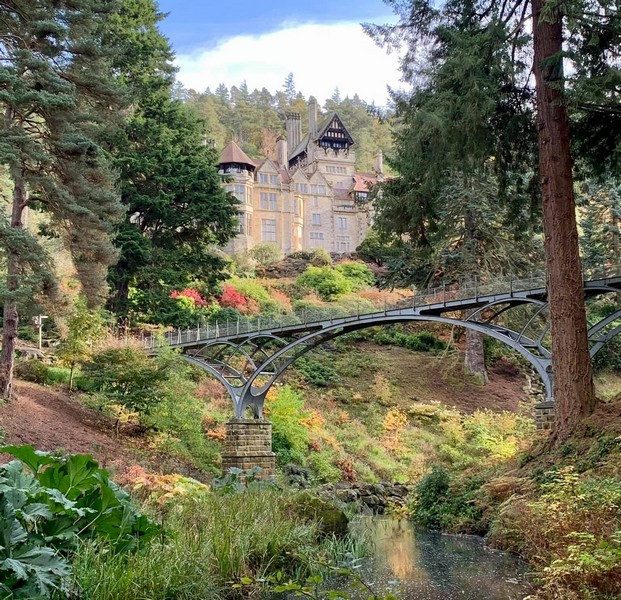
The Bowes Museum is a hidden treasure, a jewel in the heart of beautiful Teesdale. The magnificent building stands proud in the historic market town of Barnard Castle housing internationally significant collections of fine and decorative arts. Purpose built in the 19th century by John and Joséphine Bowes, this Museum has a wonderful story to tell.
The Museum is a unique cultural icon and is one of the most important museums outside London, it’s wonderful history and it’s outstanding collection of treasures span three exquisite floors.
The walls of the picture galleries are covered with a huge collection of world class paintings, many of which are priceless masterpieces, ranging from the smallest and oldest, Sassetta’s Miracle of the Eucharist (c1423) to the eye-popping sized Canaletto-double.
Image Credit – The Bowes Museum, Barnard Castle
The fashion collections take you on a journey from the 17th to 20th centuries with the displays fashioned in a manner which enable you to get a sense of time. The treasures include The Blackborne Lace collection, one of the largest and most important lace collections in the world. Shoes and garments are displayed on transparent acrylic mounts which enables a glimpse into the making of the garments with a view of the linings and labels which are normally hidden from sight.
Amongst the many collections there are a number of mechanical toys, music boxes and watches with automaton movements but perhaps the most well known and popular attraction is the clockwork Silver Swan which has been resident at the museum since it opened in 1892 apart from when packed away for safety during World War II. Unfortunately The Swan was a casualty of Covid regulations and due to the lack of use at that time is now undergoing maintenance, hopefully she will be performing and delighting visitors again soon.
The permanent collections are complemented by an eclectic exhibition and events programme and there are guided tours most days that you may wish to take advantage of, but places do need to be booked in advance.
Whatever time of day you visit Cafe Bowes is perfect for a quick bite, a leisurely lunch or delicious afternoon tea, and a day at The Bowes Museum wouldn’t be complete without a walk around the 20 acres of gardens, take in everything from woodland walks to the formal parterre garden which completes the look of this stunning French Chateau style building. If you love museums then a visit to The Bowes Museum will not disappoint.
We look forward to welcoming you to St Oswald’s Farm and hope you enjoy all the North East has to offer.
Belsay Hall, Castle and Gardens sit tucked away in the very small but perfectly formed village of Belsay, however there is nothing small about this beautiful English Heritage property with it’s grand Grecian Hall, Medieval Castle and 30 acres of enchanting gardens.
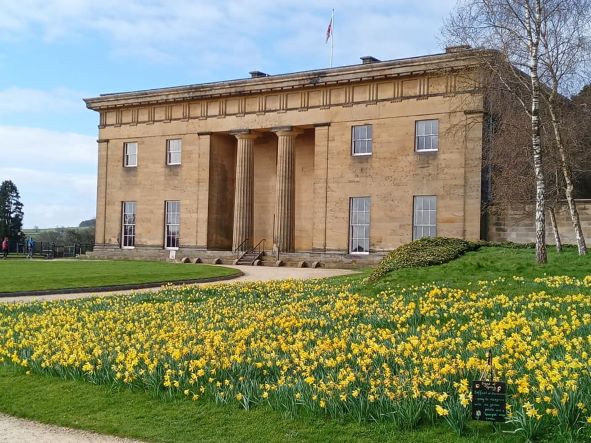
The Grand Hall is an architectural masterpiece, influenced heavily by the temples of ancient Greece, this country house is a true spectacle. Whilst the building itself is unfurnished, beautiful floral print wallpaper from the 1800’s still lines the walls, and from the bedrooms you will enjoy incredible views over rest of the estate. The empty rooms lend themselves to the art installations which are sometimes resident. The Hall with it’s impressive columns was built using rocks from the quarry on the Belsay grounds and was completed in the early 19th century.
Belsay Hall
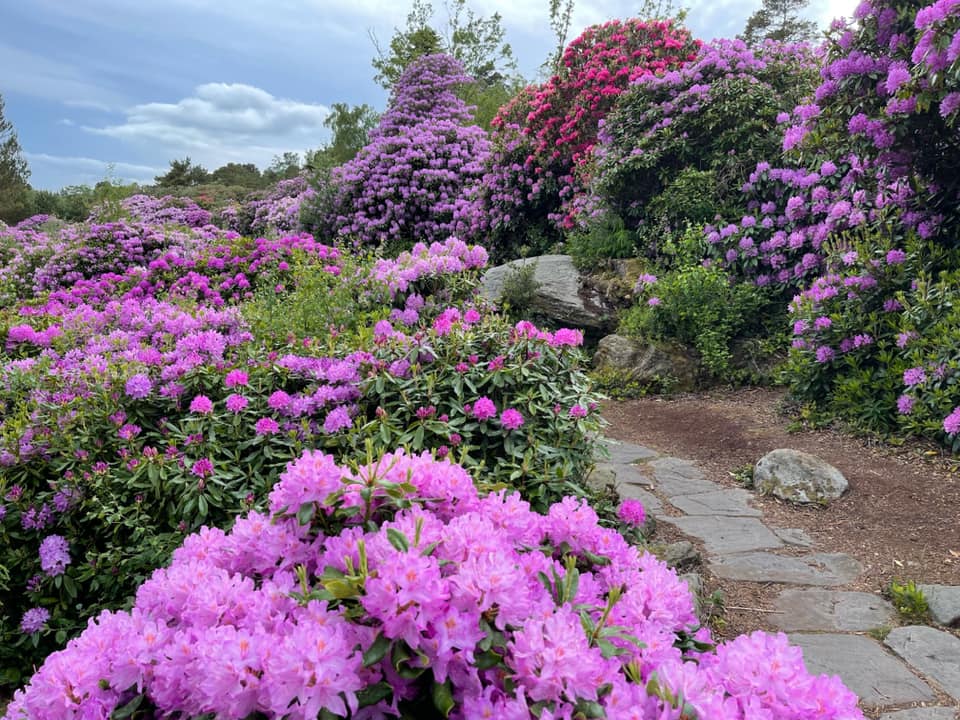
The gardens at Belsay are an absolute highlight and with year-round seasonal interest meaning you’ll be impressed whatever time of the year you visit. With one of the biggest collection of rhododendrons in the country you’ll find winter flowering varieties in the Quarry Garden and a magnificent display in the Rhododendron Garden during late Spring. A walk through the ravines cut out of rock bring a jurassic-feeling to the Quarry Garden and with its own microclimate you’ll see all sorts of exotic plants. The formal Yew Garden and Magnolia Terrace bring an entirely different experience and here you will witness the recent restoration by the dedicated garden team who have restored much of the historic fabric of these areas, opening up historic views and restoring biodiversity.
Quarry Gardens
After visiting the Hall and a meander through the acres of gardens you will find an impressive medieval castle and although in ruins the grandeur of what the castle once was is very evident. Slowly wander through the maze of rooms and you will be treated to traces of elaborate medieval wall paintings. In the manor house style wing you can still see the old cooking range and fireplaces and if your legs are up to it, take the 56 spiral stairs to enjoy the view from the top of the 14th-century defensive ‘pele tower’.
Belsay Castle
Of course any day out wouldn’t be complete without refreshments and Belsay Hall itself has a Victorian Tearoom which is in the hall’s original kitchen and offers lunches and light bites. Alternatively there is a gorgeous independent coffee shop in the village of Belsay, The Blacksmiths Coffee Shop who provide a wide range of home made produce such as scones, sandwiches, quiches, baked potatoes, pies, salads, tray bakes, cakes and much more, although we recommend that you book in advance to be sure to get a table.
To find out more about Belsay Hall and for information on opening times or if you wish to book your visit please go to their website.
If you enjoy days out and taking in the grandeur of historic houses and the beauty of their surrounding garden then a stay in Northumberland is definitely for you. All our availability is up to date on our website so all you have to do is book your stay and look forward to enjoying all Northumberland has to offer. We can’t wait to welcome you here.
Woodhorn Museum brings to life Northumberland’s proud mining heritage and is set on the site of what was once the largest pit village in the world. Woodhorn however is more than just a traditional mining museum, the exhibitions, the collections, tours, talks and facilities together with a packed programme of events ensure a great day out.
Woodhorn Museum
Many of the colliery buildings still remain and are open for you to explore and each of these buildings tell their own fascinating story. Stand above the staggering Heapstead, find out what steam power did in The Jack Engine House, sniff out the Stable Block, see the only remaining Cappell Fan in existence in the Cappell House and Motor Room and discover the vital role of the winderman in The Winding House.
There are many exhibitions and collections of interest on offer at Woodhorn Museum. Coal Town is one of the permanent exhibitions and this interactive and thoroughly moving exhibition takes you on a journey where you’ll discover the true story of coal mining in Northumberland and of a way of life that has disappeared forever.
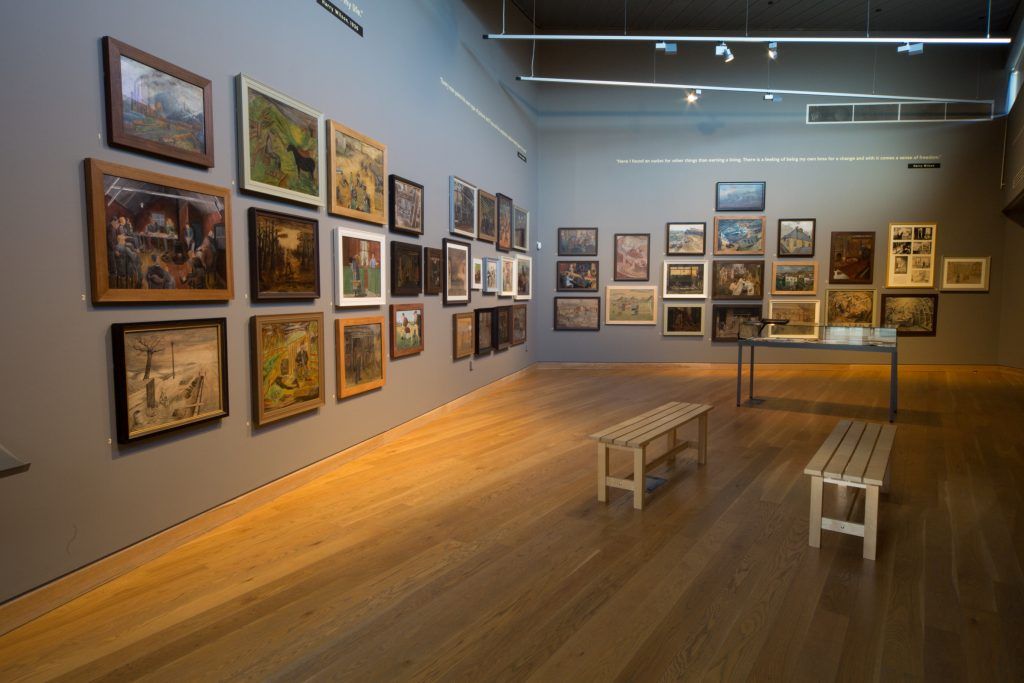
Take in the unique art collection by the amateur yet famous art group The Ashington Group, also known as the ‘Pitmen Painters’. They began as an art appreciation group in the 1930’s and then went on to meet weekly over the next 50 years and produced hundreds of paintings depicting what life was like for the men and women who lived and worked in the mining communities in Northumberland.
Pitman Painters Gallery at Woodhorn Museum
You can enjoy the museum at your own pace or if you prefer there are tours and talks that take place daily to help you explore the various parts of the museum. Please check the website or ask staff about times and how to join these tours and talks.
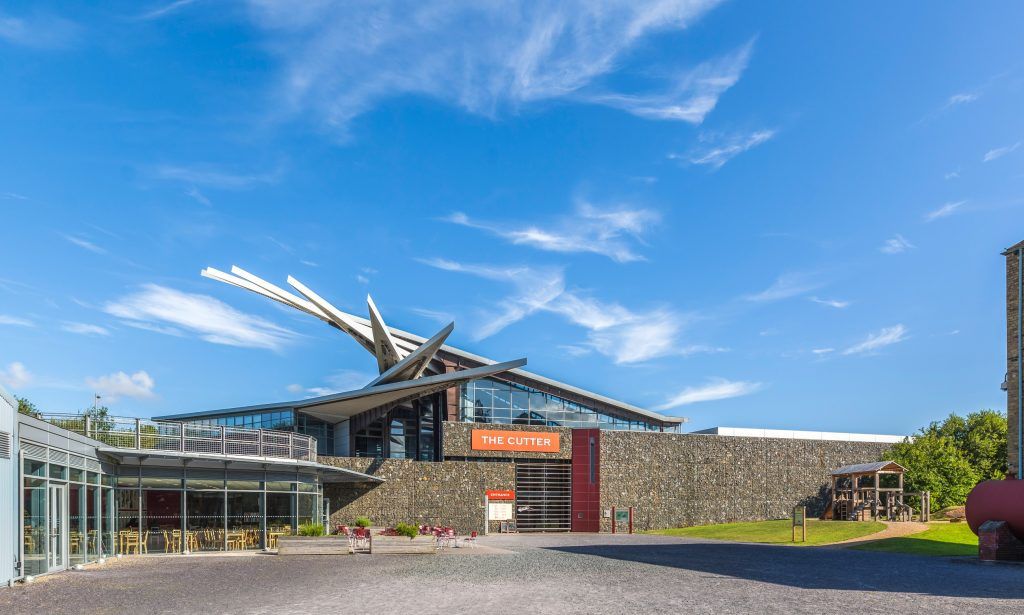
At Woodhorn Museum the much loved heritage blends seamlessly with more modern development and The Cutter Building which is home to exhibitions and collections includes a wall which features a moving sculpture of 98 birds made from moulded miners’ gloves with each one sadly representing the lives lost at the colliery throughout it’s history. Woodhorn Museum is informative, interactive, cultural, hands on and at times really quite thought provoking but more than anything it’s a really enjoyable day out.
The Cutter Building at Woodhorn Museum
If history, heritage and culture is what you enjoy then look no further and book your stay at St Oswald’s Farm and discover all that Northumberland has to offer.
The town of Hexham is only a short 10 minute drive from St Oswald’s Farm and lies in the heart of the stunning Tyne Valley. This picturesque town is the perfect destination for a day out in beautiful surroundings whilst taking in the rich history which you will find around every corner of this ancient market town.
Handsome Hexham
Hexham is as handsome a market town as you will find anywhere, and the imposing priory is a central part of what makes it memorable”
Bill Bryson, Best Selling Travel writer.
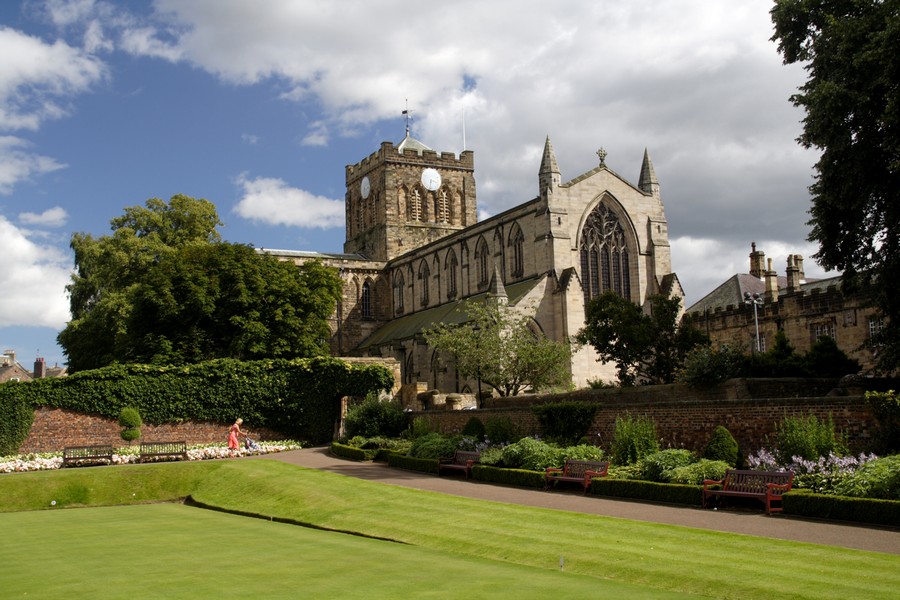
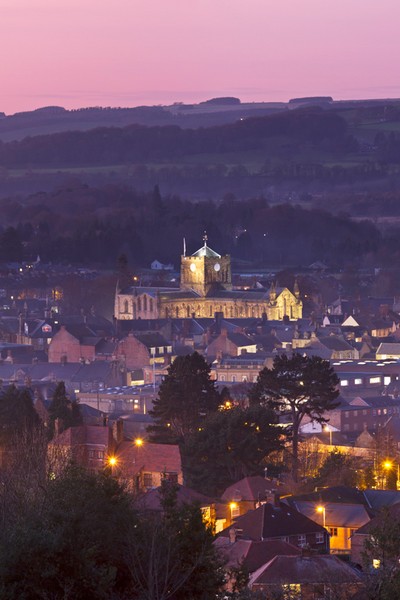
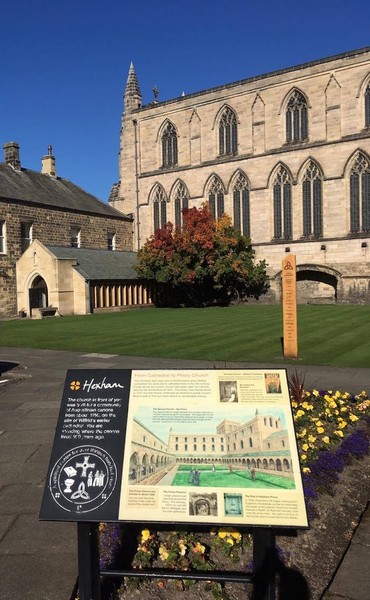
Hexham Abbey undoubtedly takes centre stage in this town and dominates the historic Market Place. This flourishing place of worship was founded by the Northumbrian saint and bishop Wilfrid in 674. Hexham Abbey is home to a wealth of artifacts from the Anglo-Saxon crypt to the tombstone of a Roman soldier, from exquisite sculpture and stained glass windows to the frith seat and from a medieval painted screen to the night stair, a set of time-worn steps. With so many stories, discoveries and with an interactive museum to explore you might find you need to take some time out to reflect and relax with a piece of cake in the lovely Refectory Cafe. To visit Hexham Abbey or attend a service please do check their website for times.
Hexham Abbey & Bowling Green
Hexham certainly isn’t short of impressive buildings and Hexham Old Gaol is no exception, this large square stone structure was built in 1333 as England’s first purpose-built prison. The building’s history and the story of its infamous inhabitants including the Border Reivers is told in full and gruesome detail across the four floors of the museum you see today. All floors are fully accessible with a glass elevator to transport you effortlessly back through time.
Oldest purpose built gaol
Hexham is fortunate to have its own cinema which is centrally located in the Market Place. This community owned cinema dates back to 1937 and has been brought right up to date with the latest 3D technology. They offer a wide range of up to date films, hold exhibitions and have regular live music events, stream live performances and have a licensed cafe so you can enjoy your favourite tipple with that all important popcorn! Visit their website to find out what’s on during your stay.
Forum Cinema – a community owned cinema in the heart of Hexham image credit Forum Cinema
The Queen’s Hall on Beaumont Street is a striking Victorian building, once a Corn Exchange before becoming a dance hall, it is now a 350 seat theatre and home to two galleries. The programme is varied and combines a selection of the finest theatre performances including a wide variety of drama, comedy, musicals and more. Top tip…make time for a bite to eat in the cafe…best cheese and bacon scone you will ever taste!
Queen’s Hall Arts Centre (image credit Queen’s Hall)
Hexham however isn’t just about the history and the impressive buildings, it also boasts Northumberland’s only racecourse and England’s most scenic and highest National Hunt racecourse! Located high above the town with outstanding panoramic views, Hexham racecourse has been in operation for well over 100 years and has an annual programme of race meetings. The views are outstanding and well worth a drive up there for the views alone or of course if you fancy a flutter all meeting dates can be found on their website.
Never short of green spaces Hexham undoubtedly has some of the nicest parks and walks. The grounds of Hexham Abbey with it’s Grade II listed bandstand, the wide open space of the Sele, the beautifully kept Bowling Green with lots of park benches to sit and enjoy your surroundings, or if you fancy a river walk there’s nowhere nicer and more tranquil than the Tyne Green river walk which can be reached by car just before heading east out of the town.
Parks, walks & green spaces to enjoy
A trip to Hexham wouldn’t be complete without a saunter around the retail offer where lovely independent gift shops and art galleries compliment some high street favourites. Do try to wander off the main high street and find some of the small independents tucked away on some of the quaint side streets with their interesting quirky shops and galleries. Explore Market Street, Hallstile Bank and the cobbles of St Mary’s Chare, oh and remember to look up, you might just spot a little piece of history peering down at you!
A warm welcome in Hexham
Hexham is a warm and welcoming town and was even recently voted the happiest place to live and in this town you won’t be short of places to stop for something to eat or drink with lots of coffee shops to choose from. You might want to plan your trip to coincide with the fortnightly Hexham Farmers’ Market or plan your stay when one of the many events are taking place. Hexham is a town where there really is something for everyone. To find out more about what’s on and when, take a look at the Visit Hexham website
A visit to Northumberland can take you from town to country to remote hills within a matter of minutes with unrivalled beauty and scenery wherever you choose to go. Many of our guests arrive here wondering what this northern most County holds for them, and within a few short days find they have fallen for it’s charm. Of course you don’t have to take our word for it, book your stay with us and discover Northumberland for yourself.
So, where is the King of Castles? Well without doubt it has to be Northumberland which boasts more castles than any other county in England, a clear legacy of its turbulent past including the infamous Border wars which raged from the 14th to 16th centuries. Northumberland is home to over 70 castle sites and although some of the buildings have now gone many remain, some in all their grandeur yet some only in ruin, leaving only a hint of what once was.
No trip to England’s northernmost County would be complete without a visit to at least one of these remarkable reminders of the history which Northumberland lays claim to. No matter where you stay or where your days out take you, you can rest assured there will be a castle just around the corner.
Alnwick Castle – image D Bartlett
A trip to the North of Northumberland brings delights such as Alnwick Castle which is the second largest inhabited castle in England after Windsor Castle and is home to the 12th Duke of Northumberland. This historical and impressive monument stands inland and holds guard over the River Aln with the impressive grounds surrounding the castle landscaped by none other than Lancelot “Capability” Brown. The castle itself has featured in over 40 films and TV shows including two of the Harry Potter films. Visit the lavish state rooms, enjoy the exhibitions or take up the chance to have a guide with one of the daily talks and tours or there’s always the opportunity for a spot of broomstick training for those would be wizards!
Bamburgh Castle
Bamburgh Castle is undoubtedly one of the most iconic sights on the North East coastline with the unmistakable fortress which has stood guard high on its rocky plateau for over 1400 years, it is quite the the formidable structure sitting above the small and very beautiful village of Bamburgh. A vast history ensures there is plenty to enjoy from the state rooms to the keep, and from the armoury to the museums, halls and even the stables, it’s a treasure trove of delights.
North Northumberland is home to many magnificent castles, Warkworth Castle is just off the coast and with it’s cross shaped keep it sits proudly above the River Coquet and has it’s own Hermitage & Chapel with can be visited but accessible only by boat. The ruins of the once dominating Dunstanburgh Castle stand on a remote headland between Embleton and Craster and can be reached by taking the short coastal walk from Craster village.
Warkworth Castle
As you would expect with over 70 sites there are castles to be found all over the County and St Oswald’s Farm is within a very short drive of some really lovely castles. Aydon Castle is a real treat and quite literally 10 minutes from us, this fortified manor house is almost intact and is set in secluded woodland and with it’s own walled garden it’s the perfect spot for a picnic. A short drive further east along the picturesque Tyne Valley you will find Prudhoe Castle which was built in the late 11th century can be found on the South bank of River Tyne, both are English Heritage properties and have good amenities.
Aydon Castle
Prudhoe Castle
The castles across the County are vastly different and all with their own unique story to tell, it’s easy to get lost in time and imagine a life long ago. So whether you visit the ruins of Belsay Castle or cross the water to Holy Island to discover Lindisfarne Castle or seek the thrill of ghost hunting at Chillingham Castle you will undoubtedly have an unforgettable day out as you explore our past.
Why not book your stay now and start making plans for your next trip. All our prices and availability can be found on our website and of course if you have any queries or there is anything we can help please just get in touch. We look forward to seeing you soon.
One of the unexpected pleasures of running our holiday cottage has been rediscovering many of the fantastic places there are to visit in Northumberland. I’m sure we are all very familiar with often visiting attractions in other areas but not actually taking the time to remember and enjoy just what is on our very doorstep. We are now thoroughly enjoying some day trips very close to home and a recent visit to nearby Blanchland reminded me without doubt how lucky we are to have so many superb places to enjoy.
Blanchland is the prettiest of villages, and it is almost like stepping back in time, a quaint and peaceful village in the most tranquil of settings. Blanchland straddles the border between Northumberland and Durham and sits within the North Pennines Area of Outstanding Natural Beauty. Built from the remains of a 12th century abbey the village and the surrounding countryside are truly beautiful.
The quaintest of villages
The drive from St Oswald’s Farm takes about 35 minutes and is a really lovely scenic route that crosses the fells to this tiny village. Once there parking is easy as there signposting to a large car park which relies on donations of £1 in an honesty box, this is definitely a clue to the laid back and relaxed atmosphere you will find here.
Blanchland (White land) got its name from the white habits worn by monks of the Premonstratensian order who founded Blanchland Abbey in 1165. Although the whole of the abbey doesn’t remain, the pretty parish church which is a Grade 1 listed building is well worth a visit.
The Lord Crewe Arms sits prominently in the ‘Square’ and is one of the oldest hostelries in the country dating back to the 12th century. It is a charming building steeped in history and with lots of features giving clues to its history and boasts the most magnificent fireplaces. This award winning hotel and restaurant are a definite must see, but it’s worth booking in advance if you wish to dine there.
The Lord Crewe Arms Lord Crewe Dining
We visited a lovely craft and gift shop, Jaspah Crewe, and were very tempted by the large range of handcrafted gifts, Blanchland isn’t the place for retail therapy as the only other shop is the pretty little post office which sits untouched by time.
Stepping back in time at the village Post Office
If you’re looking for morning coffee or perhaps afternoon tea and are tempted by very large pieces of cake definitely head to The White Monk Tearooms. The tearooms are in the very grand old school building, there’s loads of tables inside and if you visit on a warm sunny day there is space outside to sit as well.
The White Monk Tearooms
Blanchland today is entirely owned by The Lord Crewe Trustees, a charity established in 1721. The village was previously owned by the family of the Bishop’s wife, Dorothy Forster, whose nephew was General Tom Forster and co-leader of the English Jacobite army of 1715. The ghost of Tom Forster’s sister, also called Dorothy is said to haunt the Lord Crewe Arms as she waits in vain for her brother’s return from exile. Eeek!
The houses in the Square all with dark red painted doors looks uniform and neat and very pretty and so well kept. The village has been used as a set many times for films and TV series…you never know you might just bump into a famous face!
Moorland & Derwent Reservoir
The surrounding countryside just makes you want to see more and there are many short walks, circular walks, the Blanchland Geotrail and plenty more to enjoy. Details of all the walks in the area can be found on the North Pennines AONB website. Alternatively the post office has lots of leaflets about the area and details of the walking routes.
Nearby is Derwent Reservoir which is the second largest reservoir in Northumberland. The reservoir is a popular place to fish for trout and you will also find a picnic area, bird hides and an easy access path.
Look out for Mallard, Tufted Duck, Greylag Goose, Teal, Goosander and Grey Heron
In Northumberland we really are spoilt with some of the best places to visit and as we rediscover our favourites we look forward to sharing them with you. Or of course you could book a stay in Heavenfield Cottage and discover all Northumberland has to offer for yourself, we promise you won’t be disappointed! All our prices and availability can be found here.