Tag: history

A National Trust Beauty – Gibside

If you’re planning to visit some National Trust properties during your stay then Gibside in Tyne & Wear is just part of the fantastic National Trust offer across the North East of England.

Set amid the backdrop of the Derwent Valley, close to Newcastle, Gibside boasts both historic ruins and the space for walking, enjoying wildlife and with some spectacular and perhaps unexpected views. It is one of the few surviving 18th Century landscapes and was designed to make the most of the surrounding vistas and create some real ‘wow’ moments.

alt="Gibside garden ruin"

There are 600 acres of gardens, woodland and countryside to explore with four marked walks to choose from, The Liberty Trail, The Nature Trail, The Explorer Trail and Valley Views Trail with each one taking you on a different route around the landscape. The many miles of pathways are perfect for peaceful walks where you can enjoy wildlife spotting and with plenty of places to stop and pause, or you might choose to venture off into the wider Estate to enjoy a hike over more varied terrain.

There are many highlights and landmarks across the site including a restored stable block, ruins of the Grand Hall, the walled garden and garden cottage, the orangery and overlooking it all, The Column to Liberty. However perhaps the centrepiece of the Bowes’ Georgian landscape garden is the neo-classical chapel which was designed by renowned Palladian architect James Paine which sits framed by trees at the end of the half mile-long avenue.

If you would prefer to enjoy Gibside with the guidance of an expert tour guide then there are both landscape garden tours and history tours, although days and times vary so please do check in advance. There are all the usual facilities you would expect to find at a large NT property, with cafe, loos, shop and second hand book shop and with a varied programme of seasonal events.

National Trust properties are always a superb way to spend a day out during your holiday here and we’re lucky to have some real beauties in this part of the UK. For more NT inspiration take a look at our recent blog post about one of our own favourites, the magnificent Cragside House and Estate.

The Fabulous Farne Islands

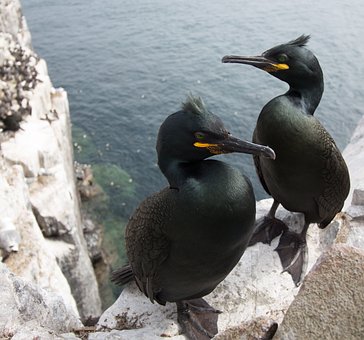
The Farne Islands lie just off the North Northumberland coast and they are the perfect way to spend a day enjoying the very best bird and wildlife. The islands are home to literally thousands of seabirds and to one of Europe’s largest grey seal colonies and are internationally known as a breeding site of high importance. The Farnes are a must for anyone who enjoys seeing wildlife and birdlife and to see them in this, their most natural and wild habitat is a truly special experience.

The Farnes consist of around 25 islands with some visible at high tide and some only visible at low tide, they boast wonderful names such as Megstone, Elbow, The Bush, Glororum Shad, Gun Rock, Staple Island, Brownsman, Fang, North and South Wamses, Big and Little Harcar, Nameless Rock, Blue Caps and Longstone to name but a few. The Farne Islands can be broken into two main groups, the first is dominated by Inner Farne, the second a mile away includes Staple Island and the well known Longstone Island, which will be forever associated with the story of Northumberland’s greatest heroine, Grace Darling. In fact if you’re in up in North Northumberland for the day then The Grace Darling museum in the nearby and very gorgeous Bamburgh is definitely worth visiting too!

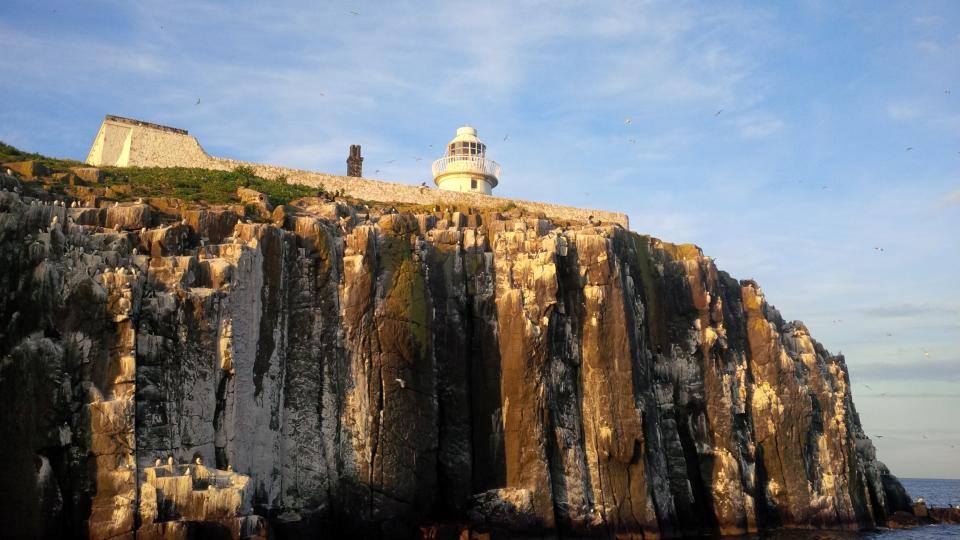
The Farne Islands are formed from the rocks of the Whin Sill Complex and this can be traced from Upper Teesdale in Durham where it forms the High Force waterfall all the way up to North Northumberland to the Farne Islands and the rocks upon Lindisfarne, Bamburgh and Dunstanburgh Castles all sit. The dolerite rock gives the Farne Islands their distinctive blackened appearance.

alt="Farne Islands black cliff face and lighthouse on Inner Farne"
The blackened rocks of Inner Farne (image credit Serenity Boats)

As well as birdlife the islands are also home to one of the largest colonies of grey seals and as you take your trip you’ll see them lazing on the rocks or bobbing inquisitively in the sea. The Farnes are in fact the top grey seal pupping site in England with more than 2000 pups born on the islands each year and to see these fluffy white seal pups visit the islands from late October.

alt="white fluffy seal pup"
Seal pup – image Serenity Boats

To enjoy the Farne Islands take a boat trip from the fishing village of Seahouses and enjoy either a cruise or a landing trip, boat operators such as Billy Shiel’s and Serenity Boats offer trips to Inner Farne and Staple Island and landing trips to Inner Farne. Choose from their Puffin Cruises, a Birdwatch Cruise, Sunset Cruises and cruises where you can enjoy grey seals as well as the seabirds, and some trips follow the route Grace Darling and her father took during their heroic rescue in 1838. Both operators are renowned for their cruises and their skippers and staff are hugely knowledgeable on both the wildlife and the history of the Islands and give a full commentary during their trips. (do please always check their websites for any current restrictions and up to date sailings)

alt="Sunset cruise with sun low in the sky over the sea"
Sunset Cruise (image credit Serenity Boats)

The Farne Islands are undoubtedly a seabird spectacle with over 23 species of birds including razorbills, guillemots, common & arctic terns, cormorants, shags, eider duck and around 43,000 pairs of puffins and for the best chance of seeing the largest number of birds then ideally plan your visit between late April and late July. If you wish to enjoy a landing visit to Inner Farne, famed for providing sanctuary to St Cuthbert in the 7th century, and the half mile wildlife walk then later in the season may be preferable for a more tranquil visit.

If you love nature and birdlife and don’t mind putting on your sea legs then The Farne Islands offer a great day out in North Northumberland and our top tip for your trip ….take a hat!

Discovering The Roman Army Museum

When you visit Northumberland you’ll find history tucked around every corner in our villages, towns and even throughout our lovely Northumbrian countryside with castles, bastles, forts and of course the most impressive piece of history of all, Hadrian’s Wall. The museums you will find along the wall corridor are as you would expect devoted to the Romans and Hadrian’s Wall and are packed with stories, treasures, finds and none more so than The Roman Army Museum which is the perfect place to start your Roman adventure as you discover life as a Roman soldier.

alt="Roman Army Museum display of roman helmets"

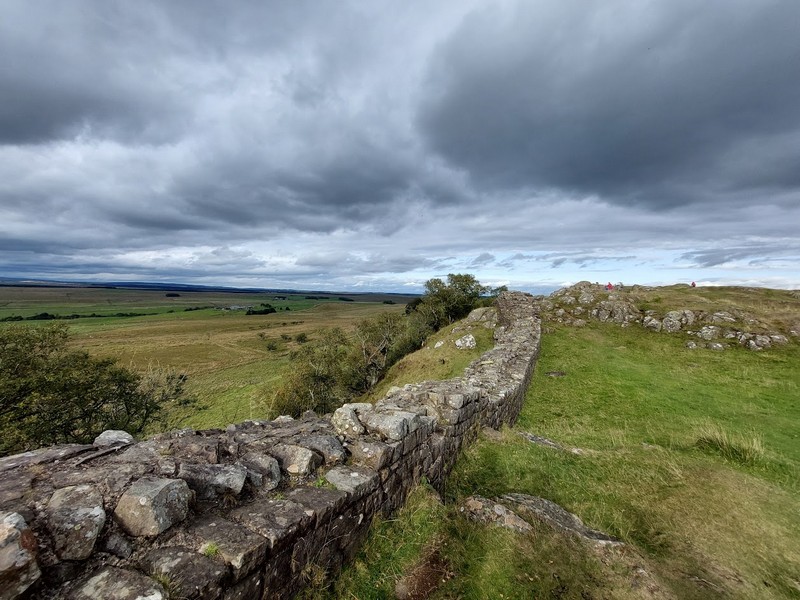
Set in magnificent countryside next to the highest standing and most complete and picturesque section of Hadrian’s Wall, the Roman Army Museum is owned and managed by the Vindolanda Charitable Trust and it brings to life wonderfully what it meant to live in this time of blood and brutality from both in and outside the Roman Empire.

alt="Hadrian's Wall near the Roman Army Museum"
Hadrian’s Wall near the Roman Army Museum

Start your journey in gallery 1 and walk straight into the role the army played within the Roman Empire, discover about the strength and variety of the different types of soldiers and admire real Roman artefacts brought over from the sister site of Vindolanda including the only Roman helmet crest ever to be discovered.

As you move through the museum and into Gallery 2 you will find the space devoted to Hadrian’s Wall and to the man himself, Hadrian. Learn about the successful invasion and occupation of Britain by the Romans and take the time to immerse yourself for 20 minutes as you watch the award winning 3D film ‘Edge of Empire’ which takes you flying over the Northumberland landscape and over Hadrian’s Wall and through a thousand years of history. See for yourself in incredible detail what life was like for the soldiers tasked with defending Hadrian’s honour, find out what it took to rise through the ranks, discover how the soldiers dealt with battle and boredom and what could happen if they dared to fall asleep, and why many just didn’t make it!

alt="Roman Army Museum model horse and horseman"

When you arrive in gallery 3 you’ll explore daily life on the frontier at the Roman fort of Magna. Find out about the training, food, religion, and what they did for leisure. Learn about the fort’s Syrian archers and even have a go at perfecting your archery skills.

In 2023 a five year research project started at the Roman Fort of Magna which sits behind the Roman Army Museum and during the summer months you can join one of the guided tours of the fort which lies hidden beneath the Northumberland landscape.

We highly recommend that you also visit the museum’s sister site Vindolanda Fort and just ask when you visit either and you’ll save on a joint ticket for both museums. If you have time don’t forget to take a walk up through Walltown Country Park just opposite the Roman Army Museum and take in this wonderful stretch of Hadrian’s Wall. The Roman Army Museum is fully interactive and immersive and a visit here together with a walk on the Wall and a trip to Vindolanda and you will be left in awe of what the Romans really did for us.

Do you have a Northumberland bucket list?

If you’ve never visited Northumberland before you might be wondering why you’d want to have a Northumberland bucket list, or if you’re lucky enough to have visited before then you will already know just how much Northumberland has to offer.

A bucket list should be filled with things to enjoy, great places to visit and experiences you won’t forget and Northumberland is packed with places and experiences that are definitely bucket list worthy.

  • If you love castles then we’re the County for you with over 70 castles to discover and admire, from castle ruins in the countryside to castles towering above towns and coastline and from haunted castles to castles you will recognise from films and books, Northumberland is king of the castles.
  • Our unspoilt coastline is quite simply breath taking with it’s vast sweeping beaches, undulating pathways and dunes, hidden rock-pools and coves, there is no better place to enjoy the beauty, peace and the tranquility that you will find on the Northumberland coast. Time it right and you may find you have the whole beach to yourself, there’s no fighting for beach space here.
  • Our history is everywhere you look and you’ll spot it around every corner, this County is quite literally a history buff’s dream destination. Northumberland’s geographic location bordering Scotland has shaped a history of violence and conflict and this can be seen across the region through it’s ancient sites, museums, homes of grandeur, churches, battle sites and in the villages and towns.
  • The culture and arts across the North East are second to none with extensive galleries, architectural pieces, exhibitions and events and with music and festivals thrown in to ensure there is always something for everyone.
  • The Northumbrian countryside is more than impressive at every time of the year, it’s wild, it’s rugged, there are hills, crags, woodlands, waterfalls, forests and rivers but most of all it’s unspoilt and with stunning views that will leave you in awe.
  • The diverse landscape means that the wildlife offer here is out of this world with the opportunity to spot seals, dolphins, puffins and birdlife aplenty, red squirrels, osprey, deer and even wild cattle and goats. There are designated sites for watching bird and wildlife or take a trip to one of the superb nature reserves or you may just spot our wilder residents going about their business when you’re out and about in the Northumbrian countryside.
  • Northumberland offers every type of garden imaginable, from grand estates to hidden retreats and from naturally wild to neat and manicured. Visit some of the well known gardens that are bold and spectacular or if you delve a little deeper you’ll find some small but perfectly formed gardens all beautifully doing their thing to ensure every inch of Northumberland is glorious.
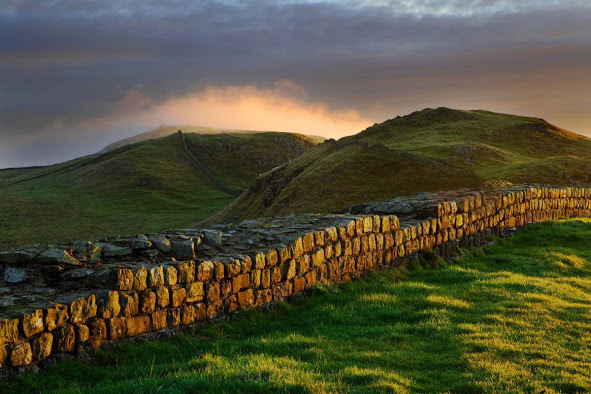
  • We couldn’t write about a Northumberland bucket list without mentioning the famous and epic World Heritage site of Hadrian’s Wall. Stretching 73 miles from coast to coast Northumberland is home to the most famous and spectacular sites along this Roman masterpiece. The sheer scale of the monument is impressive in itself and a visit to any of the Roman sites Housesteads, Vindolanda, Chesters or Corstopitum will leave you in awe of what the Romans did for us!
  • The walking and cycling opportunities are second to none, Hadrian’s Wall National Trail, Northumberland National Park, Northumberland Coast National Landscape and the huge network of paths, trails and routes mean you will never be short of places to enjoy on foot or on two wheels.
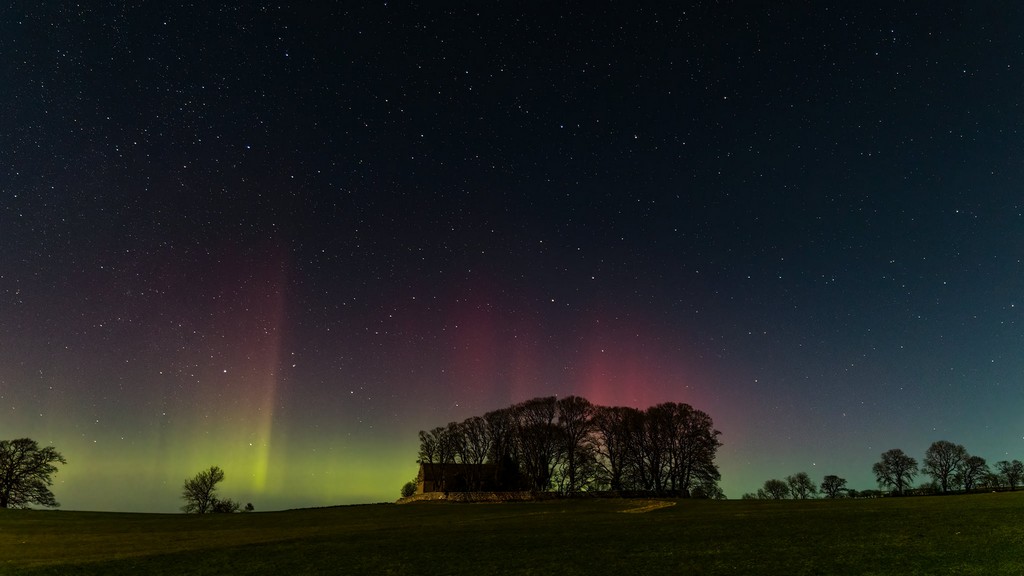
  • Northumberland has an International Dark Sky Park status and that means we have some of the most pristine dark skies in England making it one of the best places to go stargazing. Our skies are quite literally out of this world with over 2000 stars to admire and there’s the possibility of seeing an aurora. Even for us the wonder of our night sky is staggering and it’s easy to forget that not everyone has had the privilege of witnessing a truly dark and starry sky. Will our stars be on your bucket list?
  • Northumberland has some of the best food producers in the UK and with such a huge natural larder to choose from it’s no surprise. Across the whole of the County we are spoilt for choice with pubs and restaurants that boast menus carefully chosen from an array of local produce. Fish and seafood including the famous Craster kippers, beef, game and poultry, fruit and vegetables, award winning cheeses and dairy produce, jams, chutneys, bread, eggs, confectionary, soft drinks, real ale and of course Northumbrian lamb reared here on our own farm that is available to buy and take home.

This Northern and sparsely populated County boasts so much and we hope we’ve given you a taste of what a trip here could hold and why everyone should have a Northumberland bucket list. Book your stay at St Oswald’s Farm and start your Northumberland adventure.

Highlighting Hexham Abbey

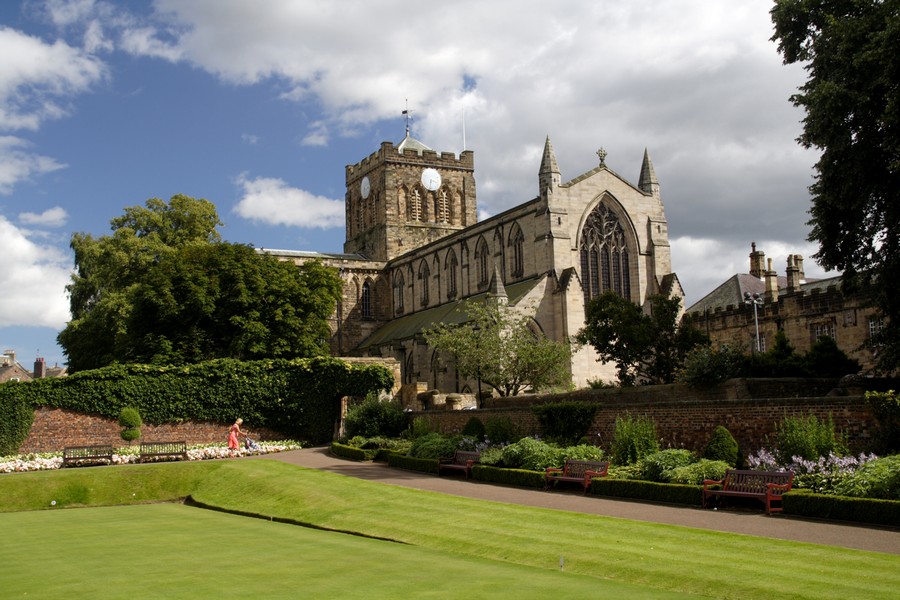
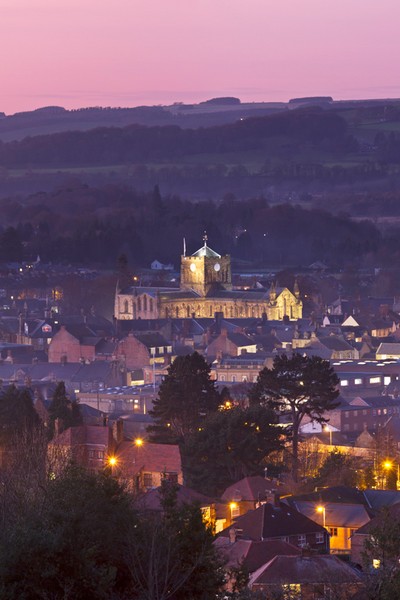
Hexham Abbey sits proudly at the heart of the historic market town of Hexham and with a long history and so much to see and so much to admire it’s definitely a must for places to visit during your stay.

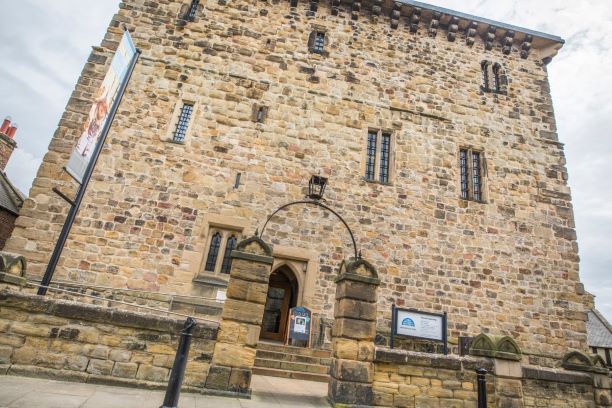
Hexham Abbey is one of the oldest sites of Christian worship in the country and was founded back in AD674 as a Benedictine Abbey by St Wilfred and through it’s long history has seen periods of immense turmoil, destruction and change and this is reflected in the fascinating and wonderful church we see today.

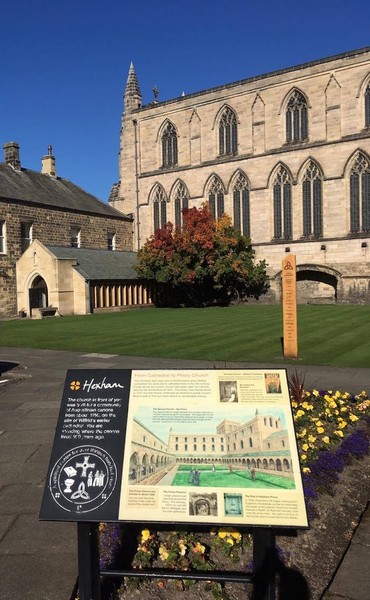
alt="Hexham Abbey and bowling green"
Hexham Abbey overlooking the lovely bowling green

There is a wealth of treasures to discover and admire when you visit the Abbey, the bright and colourful stained glass windows that adorn the North and South Transept, the Great East window situated behind the High Altar and the windows in the Nave that feature a variety of themes from the Northern saints to the armed forces. The Phelps Organ is magnificent with it’s beautiful polished oak and is quite a dominating sight and as you would expect plays a huge part in Abbey life. One of our favourite parts of the Abbey is the night stair and you can almost feel the history and the stories they could tell as you climb the 35 worn steps. At the bottom of the night stair is Flavinus’ Tombstone, a memorial slab which stands nearly nine feet high that was found in 1881 under part of the floor of the Abbey and is the largest example of its kind to have been found in England. A visit to the Saxon Crypt is a highlight for many visitors and takes you down to the earliest days of Christianity in England. The Crypt is open to visitors daily and although there is small charge one of the wonderful Abbey stewards will talk you through the history.

As you wander the wonders of this majestic building admire artifacts such as the Frith Stool and Acca’s Cross, discover what the banners mean and look out for the 7th century ‘Hexham Lion’. In the chancel you’ll find a fascinating collection of 15th century painted wood panels which are made up of three distinct series and in the choir you’ll encounter the rood screen which dates from the late 15th or early 16th century and features paintings of saints, including St Oswald, St Etheldreda and St Andrew.

In 2014 restoration of the medieval monastery complex, the Priory Buildings, was completed and this work reunited all the buildings on the Abbey site for the first time since the Reformation, and gave the opportunity to create a new permanent and interactive exhibition, The Big Story which tells 1300 years of history. The restoration also allowed for a new cafe within the Abbey buildings and you will find the Refectory Cafe perfect for coffee, light lunch or a delicious afternoon tea.

The Abbey is just as beautiful outside as inside and it stands within it’s own grounds which includes a pretty park area and recently restored bandstand. The grounds are lovely for a stroll and make sure you walk as far as the beautifully manicured bowling green and gardens of Hexham House.

The Abbey isn’t just about it’s fascinating history, the Abbey plays a huge part in the local community today and offers a wonderful programme of events and exhibitions alongside it’s regular services and to find out more about visiting the Abbey or about the events please check their website.

A visit to the Hexham Abbey is a wonderful experience with its’s peaceful atmosphere and ancient architectural treasures, and of course gives the opportunity to enjoy the lovely and historic town of Hexham.

Exploring Housesteads

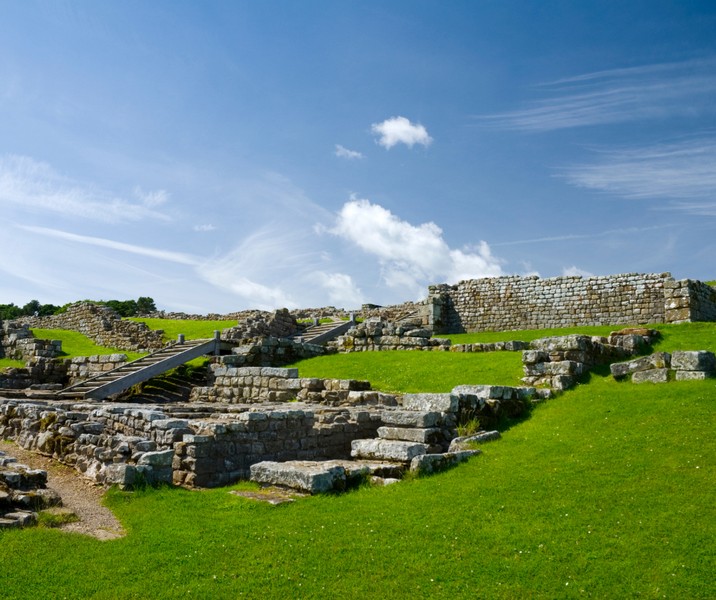
If you’re visiting Northumberland you will undoubtedly want to take in some of Hadrian’s Wall and there is nowhere better to appreciate this epic UNESCO World Heritage Site than at Housesteads Roman Fort.

Set high on a dramatic escarpment on Hadrian’s Wall, Housesteads was one of the16 permanent bases along Hadrian’s Wall and is the most complete example of a Roman fort in Britain. The fort is the most well known in the whole of the Roman Empire and is home to some of the most outstanding original features of a Roman fortress.

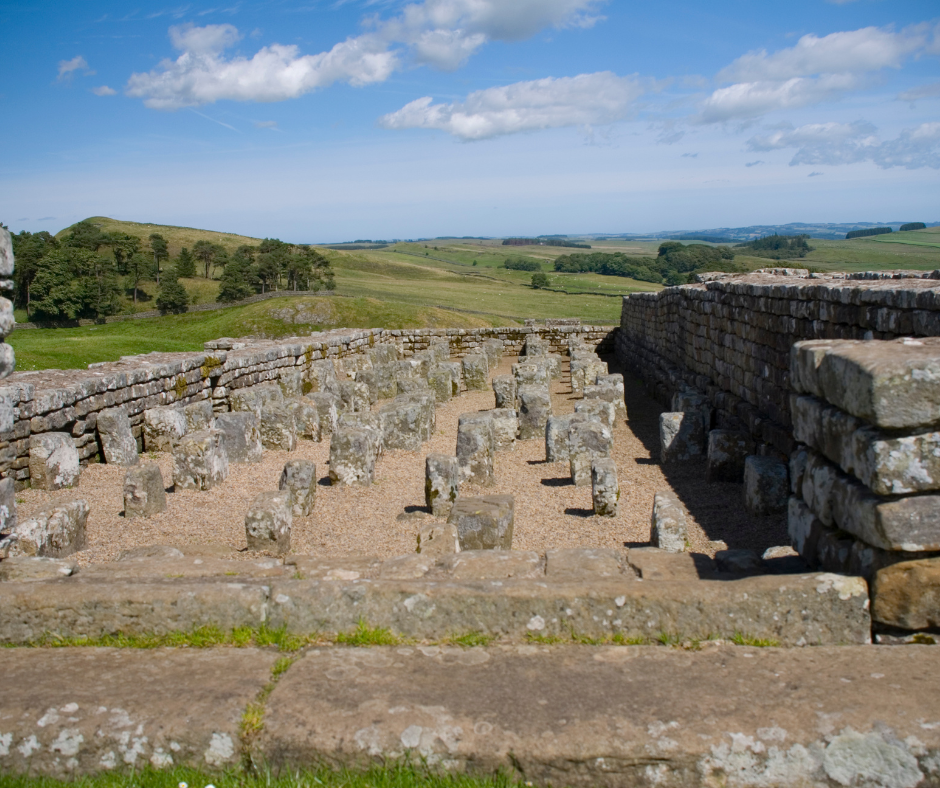
Although owned by The National Trust the site is run by English Heritage and their interactive museum showcases a great display of objects that once belonged to the Roman soldiers, and the short film that shows in the mini-cinema takes you on a journey through time as you watch the fort brought to life with stunning recreations of the original Roman buildings. You’ll get a real insight into Roman military life and discover the past behind the archaeological remains as you stroll around the barrack blocks, the Commander’s House, the granaries, the hospital and as you peer into the communal and undoubtedly the oldest toilets you’re ever likely to see.

A visit to Housesteads also gives the opportunity to enjoy a 5 mile circular walk which will take you past the site of Sycamore Gap following the Hadrian’s Wall National Trail before circling back to take you along the Roman Military Way.

Due to the nature of the site a visit to Housesteads involves a steep and uneven 750m walk from the car park, however the history of this ancient fortress together with the stunning panoramic views makes the walk worthwhile. A visit to Housesteads will leave you in awe of what the Romans achieved and gives real insight into the life of the soldiers based there and perhaps makes us realise just how tough and resilient they really were!